Introduction to B2B Freight Forwarding
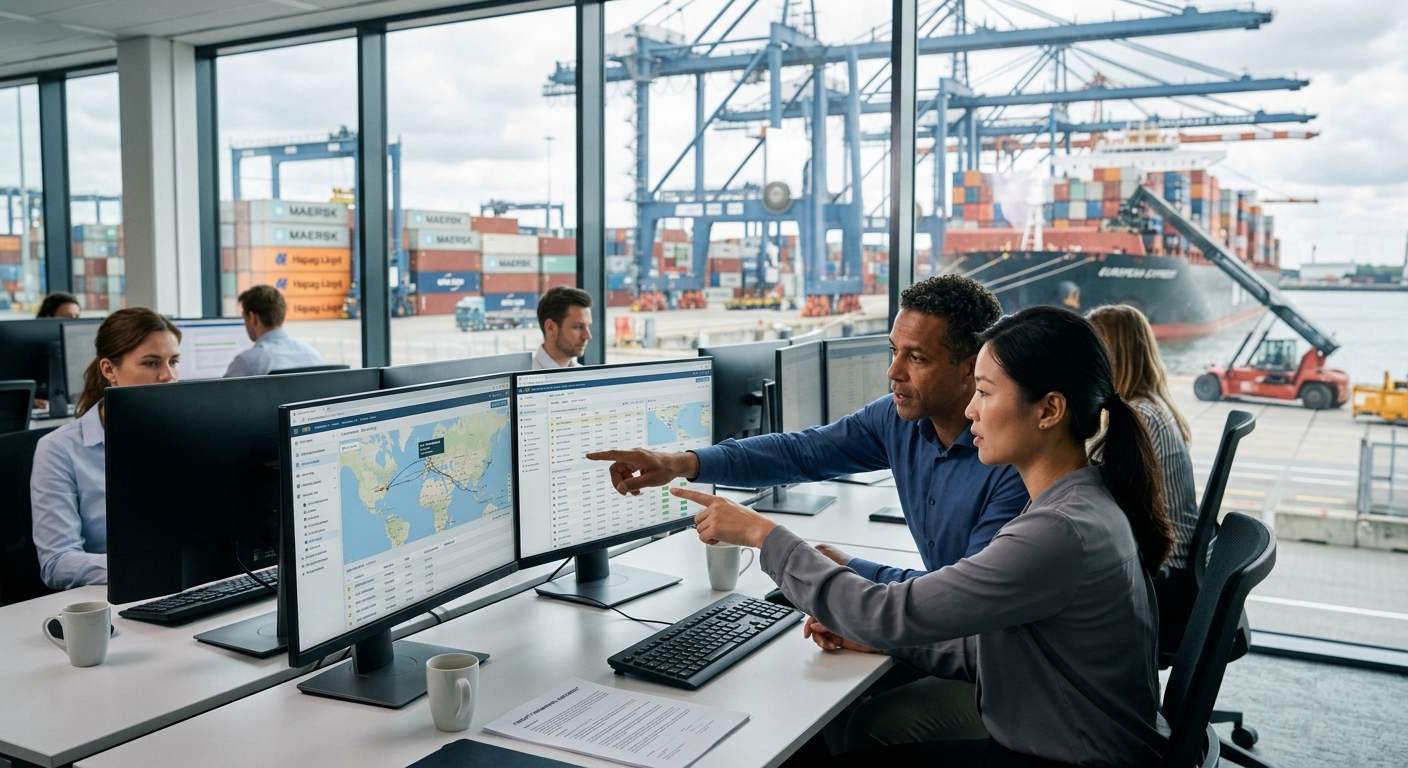
In the complex and ever-evolving landscape of global commerce, businesses constantly seek efficient ways to move goods across borders. If you have ever wondered what is a freight forwarder B2B, you are looking at the architects of international trade. A Business-to-Business (B2B) freight forwarder is a specialized intermediary agent that facilitates the transportation of commercial goods from a manufacturer or producer to a market, customer, or final point of distribution. Unlike standard courier services that handle direct-to-consumer parcels, B2B freight forwarders manage large-scale, heavy, and complex commercial shipments. They do not typically move the cargo themselves; instead, they act as logistics experts, leveraging their vast networks to arrange the most efficient and cost-effective transportation methods via ship, airplane, truck, or rail.
The role of a freight forwarder is indispensable for companies looking to scale operations internationally without building an in-house logistics department. By negotiating freight rates, tracking shipments, preparing shipping documents, and advising on import/export regulations, these professionals ensure that goods arrive at their destination securely and on time. For companies deeply involved in manufacturing and wholesale, understanding The Ultimate Guide to International B2B Shipping Logistics is critical to maintaining a competitive edge in a crowded marketplace.
Core Responsibilities of a B2B Freight Forwarder
A B2B freight forwarder assumes a multitude of responsibilities to ensure the seamless transition of commercial cargo. Their daily operations involve intricate planning, strategic problem-solving, and constant communication with various stakeholders across the supply chain. Here are the core services they provide:
- Customs Brokerage and Compliance: Navigating the bureaucratic maze of international customs is one of the most challenging aspects of global trade. Freight forwarders prepare and submit all necessary documentation to customs authorities, ensuring compliance with local laws and international tariffs.
- Route Optimization and Freight Negotiation: Forwarders utilize their industry relationships to negotiate favorable rates with shipping lines, airlines, and trucking companies. They analyze transit times, costs, and potential risks to chart the optimal route for your cargo.
- Cargo Insurance and Risk Management: Transporting goods internationally carries inherent risks, including weather delays, port strikes, and accidents. Forwarders provide advice on and procure cargo insurance to protect business assets during transit.
- Warehousing and Distribution: Many forwarders offer strategic storage solutions, allowing businesses to hold inventory in crucial geographical locations before final distribution.
- Specialized Regulatory Knowledge: A top-tier forwarder stays abreast of rapidly changing global trade laws. For example, if a client is exporting specific commodities, the forwarder must navigate complex regional regulations, much like Understanding the Indonesia Palm Oil Export Tax Rate: A Comprehensive Guide helps traders manage agricultural export constraints.
Freight Forwarders vs. Third-Party Logistics (3PL)
Businesses often confuse freight forwarders with Third-Party Logistics (3PL) providers. While their services frequently overlap, they serve distinct primary functions within the supply chain. The table below compares the two logistics entities across key attributes to help businesses choose the right partner.
| Logistics Provider | Primary Focus | Asset Ownership | Scope of Service |
|---|---|---|---|
| Freight Forwarder | Transportation routing and international freight movement | Usually non-asset based (acts as an intermediary) | Specializes in customs, documentation, and border crossings |
| 3PL Provider | Comprehensive supply chain management and fulfillment | Often asset-based (owns warehouses, truck fleets) | Handles warehousing, picking, packing, and final mile delivery |
The Importance of Freight Forwarders in Global Trade
The global economy relies heavily on the synchronized movement of raw materials, components, and finished products. B2B freight forwarders are the glue that holds this fragmented system together. They provide businesses with the flexibility to adapt to market fluctuations. When a specific port experiences severe congestion, a skilled forwarder can quickly pivot, rerouting shipments to alternative ports to avoid costly delays. This agility is paramount for businesses that operate on just-in-time manufacturing schedules or have strict delivery deadlines with their commercial partners.
Furthermore, freight forwarders offer a single point of contact for complex logistics operations. Instead of a business having to coordinate with a domestic trucking company, an ocean freight liner, a destination customs broker, and a final-mile delivery service, the freight forwarder handles all of these communications. This consolidated approach not only reduces administrative overhead but also minimizes the margin for error. For a deeper dive into orchestrating these moving parts, referencing A Professional Guide to Managing International Supply Chain Logistics can provide commercial managers with valuable strategies for long-term success.
How to Choose the Right B2B Freight Forwarder
Selecting the appropriate freight forwarder is a strategic decision that directly impacts your bottom line and customer satisfaction. Not all forwarders are created equal; some specialize in specific trade lanes, while others focus on particular industries, such as pharmaceuticals, automotive, or perishable goods. When evaluating potential partners, businesses should consider the forwarder's financial stability, global network of agents, and technological capabilities. A forwarder with a robust digital platform that offers real-time tracking, automated alerts, and transparent invoicing provides a significant advantage over those relying on outdated communication methods.
Additionally, businesses must assess the forwarder's customer service model. In the event of a critical supply chain disruption, having access to a dedicated account manager who understands your business's unique needs and urgencies is invaluable. It is also beneficial to seek client testimonials and industry certifications, which serve as indicators of reliability and professionalism.
Conclusion
Understanding what is a freight forwarder B2B is essential for any business aiming to expand its footprint in the international market. These logistics experts remove the friction from global trade, managing everything from complex customs documentation and freight rate negotiations to risk mitigation and route optimization. By partnering with a competent B2B freight forwarder, companies can focus their resources on core competencies—such as product development and sales—while resting assured that their international supply chain is in capable hands. Ultimately, a good freight forwarder is not just a vendor, but a strategic partner dedicated to driving your business's global success.
Frequently Asked Questions
What exactly does a B2B freight forwarder do?
A B2B freight forwarder acts as an intermediary between a business that needs to ship commercial goods and the various transportation services required to move those goods. They handle logistics planning, document preparation, customs clearance, and negotiate freight rates to ensure safe and efficient delivery.
Do freight forwarders own the ships and airplanes they use?
Generally, no. Most freight forwarders are non-asset-based, meaning they do not own the ocean vessels, airplanes, or trucks. Instead, they leverage their industry networks to lease space on these transport modes on behalf of their clients.
Why should my business use a freight forwarder instead of booking directly?
Booking directly with carriers can be complex, time-consuming, and expensive unless you have massive shipping volumes. Freight forwarders consolidate shipments from multiple clients to secure lower rates. They also possess the specialized knowledge required to navigate international customs, preventing costly delays and compliance penalties.
What is the difference between a freight forwarder and a customs broker?
While many freight forwarders offer customs brokerage services, the two roles are distinct. A customs broker specifically focuses on clearing goods through customs, ensuring taxes and duties are paid. A freight forwarder manages the entire logistical movement of the cargo from origin to destination, which includes (but is not limited to) customs clearance.
Comments
Post a Comment