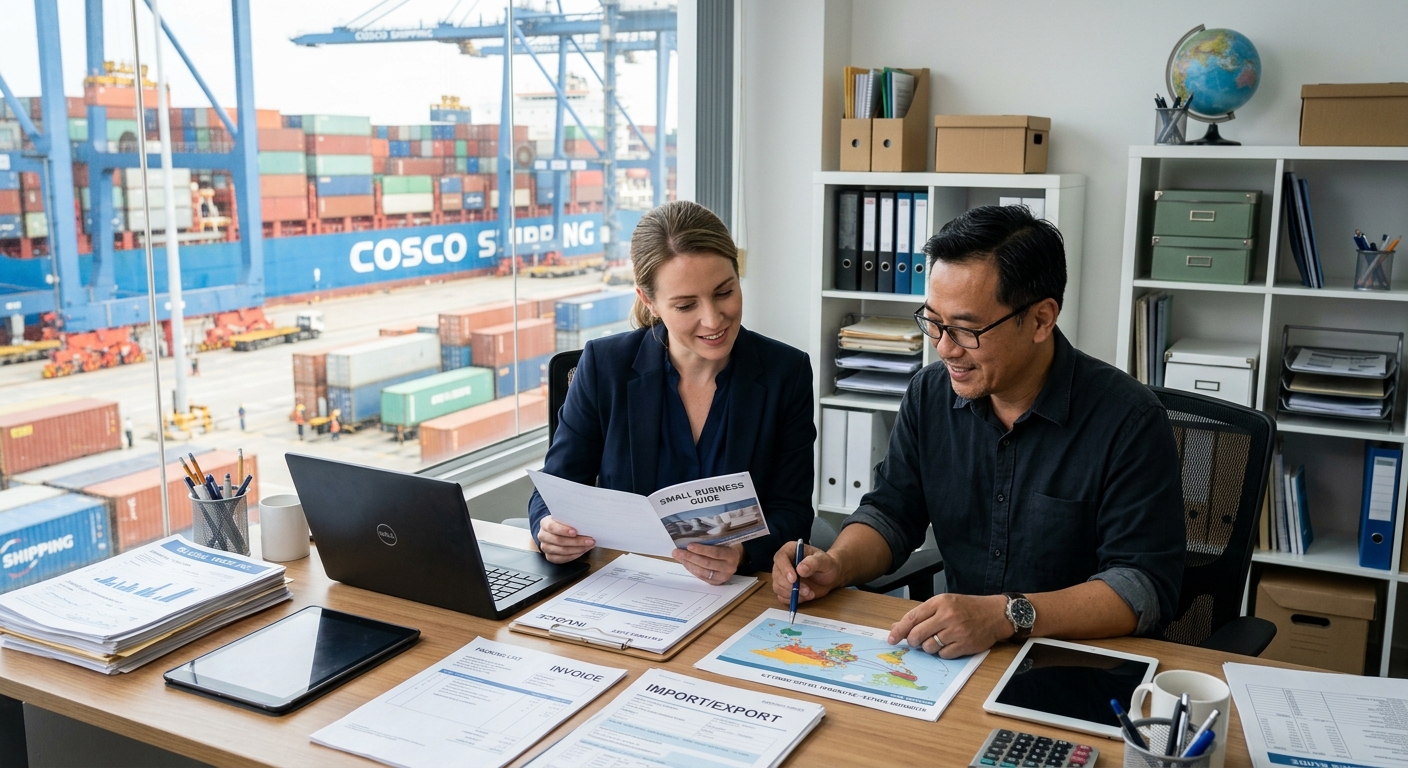
Introduction to International Trade for Small Businesses
Expanding your small business into the global market can be an incredibly rewarding venture. Understanding the import export basics for small business operations is crucial for reducing risks, maximizing profits, and ensuring compliance with international regulations. Whether you are looking to source high-quality materials from abroad or sell your locally manufactured goods to a global audience, this comprehensive guide will walk you through the foundational steps of international trade.
Understanding the Basics: Import vs. Export
Before diving into the logistics, it is important to differentiate between importing and exporting. Importing involves bringing goods or services into your home country from abroad, typically to reduce production costs or offer unique products to your local market. Exporting, on the other hand, involves selling your domestic goods to foreign markets, allowing you to expand your customer base and increase revenue streams.
Key Considerations for Importers
- Customs and Duties: Every country has specific tariffs and taxes applied to imported goods. Researching these costs is essential for accurate pricing.
- Regulations: Ensure the products you intend to import meet local safety and quality standards.
- Supplier Reliability: Finding trustworthy partners is critical. For detailed strategies, read How to Verify International Suppliers: A Comprehensive Guide.
Key Considerations for Exporters
- Market Research: Identify countries where there is a high demand for your product.
- Export Restrictions: Some goods require special licenses or are prohibited from being exported to certain nations.
- Shipping and Logistics: Partner with reliable freight forwarders to ensure your goods arrive safely and on time.
Finding and Vetting International Suppliers
One of the biggest hurdles for small businesses entering the import market is finding dependable suppliers. You need partners who can consistently deliver quality products on time. Utilizing a specialized global B2B directory can significantly streamline this process by connecting you with verified manufacturers and wholesalers worldwide.
When evaluating potential partners, it is vital to look beyond the initial price quote. Consider their production capacity, quality control processes, and communication skills. For a deep dive into this topic, check out The Comprehensive Guide to Finding Reliable Overseas B2B Suppliers.
Logistics, Shipping, and Incoterms
Shipping goods internationally involves a complex web of logistics. To simplify communication and clearly define responsibilities between buyers and sellers, the International Chamber of Commerce created Incoterms (International Commercial Terms). Understanding these terms is vital for negotiating contracts and avoiding hidden costs.
Below is a comparison of some common Incoterms to help you understand how responsibilities are divided between buyers and sellers:
| Incoterm | Buyer Responsibility | Seller Responsibility | Point of Risk Transfer |
|---|---|---|---|
| EXW (Ex Works) | Maximum (Loading, Transport, Customs, Insurance) | Minimum (Make goods available at their premises) | Seller's Premises |
| FOB (Free on Board) | Main carriage, Insurance, Import Customs | Export Customs, Loading onto vessel | On Board Vessel at Port of Origin |
| CIF (Cost, Insurance, Freight) | Import Customs, Unloading at destination | Main carriage, Export Customs, Minimum Insurance | On Board Vessel at Port of Origin |
| DDP (Delivered Duty Paid) | Minimum (Unloading at final destination) | Maximum (Transport, Export/Import Customs, Taxes) | Buyer's Named Destination |
Managing International Payments and Currency Risks
Paying international suppliers or receiving payments from foreign buyers introduces currency exchange risks and potential payment fraud. Small businesses must utilize secure payment methods to protect their assets. Common methods include:
- Letters of Credit (LC): A secure method where a bank guarantees payment once specific shipping documents are presented.
- Documentary Collections: Banks act as intermediaries to exchange shipping documents for payment, though they do not guarantee the payment.
- Open Account: Goods are shipped and delivered before payment is due. This is highly favorable for the buyer but carries significant risk for the seller.
- Advance Payment: Payment is made before goods are shipped. This protects the seller but is risky for the buyer.
Additionally, consider working with foreign exchange specialists to hedge against currency fluctuations, ensuring your profit margins remain stable despite market volatility.
Conclusion
Entering the world of international trade offers tremendous growth opportunities for small businesses. By mastering the import export basics, conducting thorough market research, vetting suppliers diligently, and understanding international logistics and payments, you can build a resilient and profitable global supply chain. While the learning curve may seem steep initially, the long-term benefits of accessing global markets and diversifying your supplier base are well worth the effort.
Frequently Asked Questions (FAQ)
What is the easiest way for a small business to start importing?
The easiest way to start is by researching small-scale products with low tariffs and high local demand. Utilize reliable B2B platforms to find suppliers, and consider starting with smaller sample orders to test product quality and shipping reliability before committing to large volumes.
Do I need a special license to import or export goods?
This depends heavily on your country and the type of goods you are trading. While many general consumer goods do not require specific licenses, items like agricultural products, chemicals, electronics, and firearms almost always require specialized permits from relevant government agencies.
How can I protect my small business from international shipping scams?
Protect your business by thoroughly vetting suppliers, requesting independent quality inspections before shipment, and using secure payment methods like Letters of Credit or established escrow services. Never pay via untraceable wire transfers to unverified accounts.
What are Incoterms and why are they important?
Incoterms are internationally recognized rules that define the responsibilities of buyers and sellers in global trade. They clearly dictate who pays for shipping, insurance, and customs duties, and at what specific point the risk of loss or damage transfers from the seller to the buyer.
Comments
Post a Comment