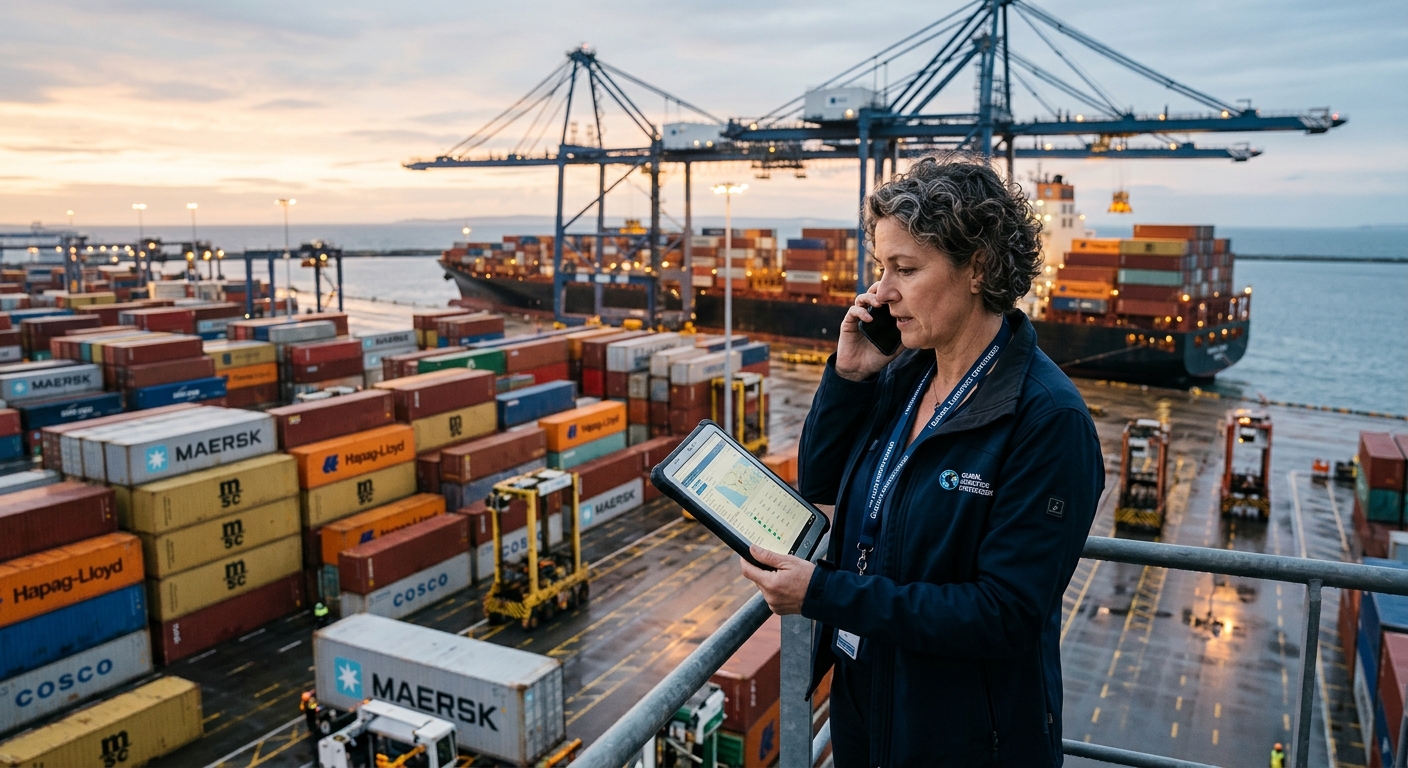
Introduction to International Supply Chain Logistics
Managing international supply chain logistics is a complex endeavor that requires precision, strategic planning, and a deep understanding of global markets. As businesses expand their reach across borders, the need for efficient logistics networks becomes paramount to ensure the timely delivery of goods, cost control, and customer satisfaction.
International logistics involves the management of materials, information, and financial flows in a network consisting of suppliers, manufacturers, distributors, and customers distributed globally. Success in this field demands adapting to varying regulatory environments, managing cross-border transportation, and leveraging modern technology.
The Core Components of Global Logistics
Transportation and Freight Management
Transportation is the backbone of global supply chains. Selecting the right mode of transport—whether ocean, air, rail, or road—depends on factors such as cost, transit time, and the nature of the goods. Effective freight management ensures that cargo moves seamlessly through international borders while minimizing delays and reducing costs.
Customs and Compliance
Navigating customs regulations is one of the most challenging aspects of international trade. Non-compliance can lead to severe penalties, delays, or confiscation of goods. Companies must stay updated on tariffs, import/export restrictions, and documentation requirements. For those looking to expand their operations, understanding the foundational aspects of exporting is crucial. You can learn more by reading The Ultimate Guide: How to Start B2B Export for Your Business.
Inventory and Warehousing
Strategic warehousing helps buffer against supply chain disruptions. Positioning inventory closer to key markets reduces transit times and transportation costs. Implementing advanced inventory management systems ensures optimal stock levels and improves visibility across the global network.
Strategic Sourcing and B2B Platforms
Finding reliable suppliers is a critical step in building a resilient supply chain. Businesses often utilize digital platforms to connect with international partners, streamline procurement processes, and negotiate better terms. To explore top platforms, check out The Best B2B Platforms for Global Trade: A Comprehensive Guide. Additionally, leveraging comprehensive resources like a reliable global B2B directory can significantly enhance your sourcing capabilities.
When comparing transportation methods for international shipping, companies must weigh transit times against costs and payload capacities. The following table highlights the primary differences between ocean and air freight.
| Transportation Mode | Average Transit Time | Cost Relative to Weight | Ideal Cargo Type |
|---|---|---|---|
| Ocean Freight | 20-45 Days | Low | Bulk, Heavy, Non-Urgent |
| Air Freight | 1-5 Days | High | High-Value, Perishable, Urgent |
Risk Management in Global Supply Chains
International logistics is fraught with risks, including geopolitical instability, natural disasters, currency fluctuations, and supplier bankruptcies. Effective risk management involves:
- Diversification: Sourcing from multiple suppliers across different regions to avoid single points of failure.
- Insurance: Securing comprehensive cargo insurance to protect against loss or damage during transit.
- Visibility: Utilizing supply chain tracking software to monitor shipments in real-time and anticipate potential disruptions.
- Contingency Planning: Developing alternative routing and sourcing strategies to deploy rapidly when crises occur.
The Role of Technology
Modern international logistics relies heavily on technology. Supply Chain Management (SCM) software, Artificial Intelligence (AI), and blockchain are revolutionizing the industry by increasing transparency, automating routine tasks, and providing predictive analytics to forecast demand and optimize routes.
Conclusion
Effectively managing international supply chain logistics is essential for businesses aiming to compete on a global scale. By mastering transportation, ensuring customs compliance, leveraging powerful B2B platforms, and implementing robust risk management strategies, organizations can build resilient supply chains that drive growth and profitability.
Frequently Asked Questions (FAQ)
What is the biggest challenge in international supply chain logistics?
The biggest challenge is often navigating complex and constantly changing customs regulations and trade compliance across different countries, which can cause significant delays if not managed correctly.
How can technology improve international logistics?
Technology improves logistics by providing real-time visibility into shipments, automating documentation, optimizing transportation routes using AI, and enhancing overall communication between supply chain partners.
Why is diversifying suppliers important?
Diversifying suppliers is crucial because it mitigates the risk of supply chain disruptions caused by regional geopolitical issues, natural disasters, or the failure of a single supplier.
What is the difference between freight forwarding and logistics?
Freight forwarding specifically focuses on the physical movement of cargo from one destination to another and handling the related documentation. Logistics is a broader term that encompasses freight forwarding along with warehousing, inventory management, and strategic supply chain planning.
Comments
Post a Comment