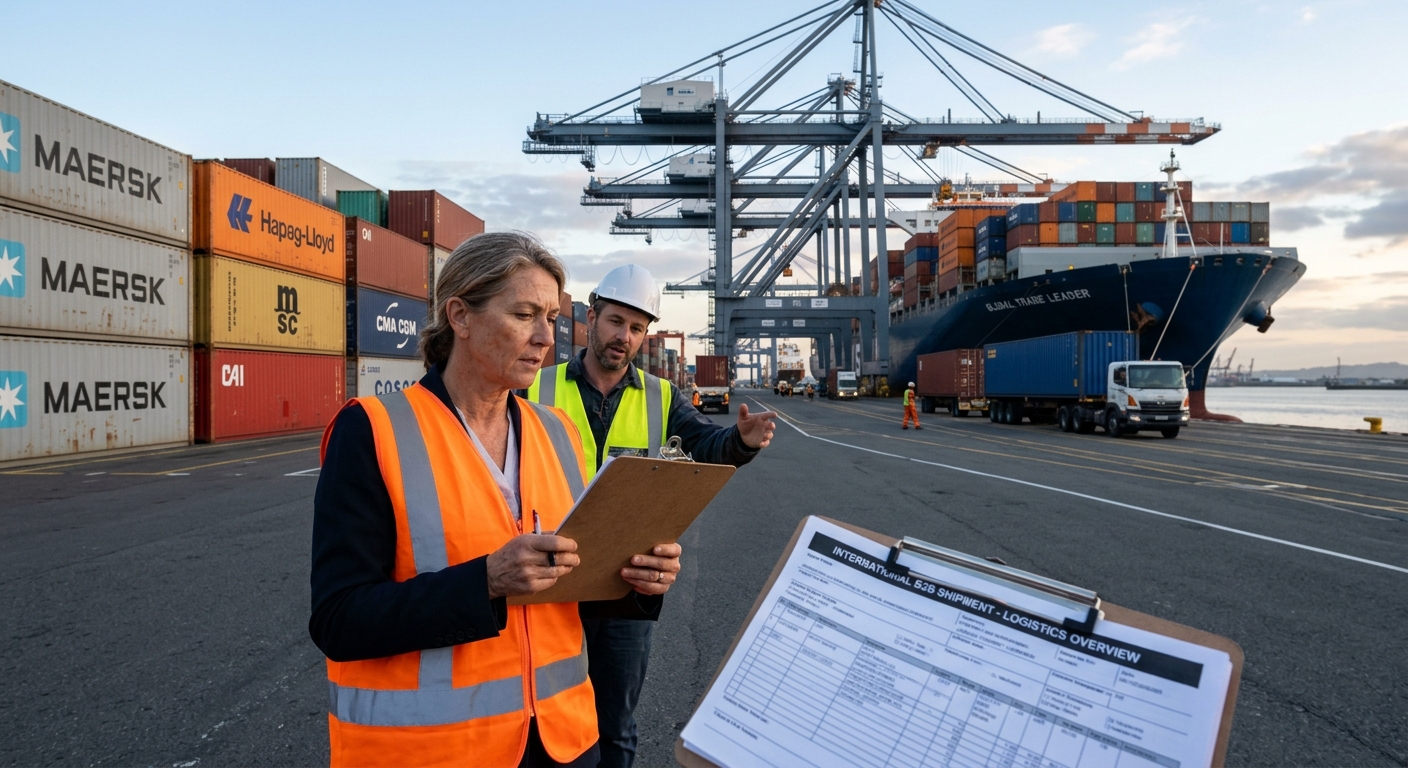
Understanding International B2B Shipping Logistics
In the interconnected world of global commerce, efficient supply chain management is crucial for success. International B2B shipping logistics involves the intricate process of moving goods across borders between businesses. This multifaceted operation requires a deep understanding of transportation modes, customs regulations, documentation, and cost optimization to ensure that products arrive at their destination on time and in perfect condition.
For businesses looking to expand their global footprint, mastering these logistics is non-negotiable. From selecting the right freight forwarder to understanding Incoterms, every decision impacts the bottom line. If you are just starting your journey in cross-border trade, you might want to read A Comprehensive Beginner's Guide to Import and Export to build a solid foundational knowledge.
Key Components of Global Freight
Shipping goods internationally typically involves three primary modes of transport: ocean freight, air freight, and land transport. Ocean freight is the most common and cost-effective method for large volumes, although it has longer transit times. Air freight offers rapid delivery but comes at a premium cost, making it ideal for high-value or time-sensitive goods. Land transport is often utilized for the first and last mile of the journey or for cross-border trade within continents.
Selecting the Right Freight Forwarder
A freight forwarder acts as an intermediary between the shipper and the transportation services. Choosing a reliable partner is critical, as they handle the logistics, negotiate freight rates, manage customs clearance, and ensure compliance with international shipping laws. When selecting a forwarder, consider their network, experience in your specific industry, and their ability to provide real-time tracking.
Navigating Customs and Compliance
One of the most challenging aspects of international shipping is dealing with customs. Each country has its own set of rules, tariffs, and restricted items. Proper documentation is essential to prevent delays, fines, or seizure of goods. Essential documents include the commercial invoice, packing list, bill of lading, and certificate of origin.
Understanding tariffs and duties is also vital for accurate pricing and profit margin calculations. Working closely with experienced customs brokers can alleviate the stress of compliance and streamline the clearance process. To stay updated on broader global trade practices and connect with reliable partners, you can explore resources on an international trade portal.
Managing Costs and Payments
Cost management is a primary concern in B2B shipping. Factors influencing costs include freight rates, fuel surcharges, insurance, and customs duties. Consolidating shipments, optimizing packaging to reduce dimensional weight, and negotiating contracts with carriers are effective strategies for lowering expenses.
Furthermore, handling the financial transactions securely across borders is paramount. Fluctuating exchange rates and varying banking regulations can complicate payments. For a deeper dive into secure transaction practices, refer to A Complete Guide to International B2B Payment Methods.
Incoterms: Defining Responsibilities
Incoterms (International Commercial Terms) are standard trade definitions used in international sales contracts. They clearly define the responsibilities of buyers and sellers regarding the delivery of goods, transfer of risk, and allocation of costs. Common Incoterms include EXW (Ex Works), FOB (Free On Board), and DDP (Delivered Duty Paid).
| Incoterm | Description | Best For |
|---|---|---|
| EXW | Buyer bears all costs and risks from the seller's premises. | Experienced buyers with robust logistics networks. |
| FOB | Seller delivers goods on board the vessel; buyer takes over from there. | Ocean freight; balanced responsibility. |
| DDP | Seller assumes all responsibilities and costs until goods are delivered. | Buyers wanting a hassle-free delivery. |
Leveraging Technology in Logistics
Modern logistics heavily relies on technology to enhance visibility and efficiency. Transportation Management Systems (TMS) and Warehouse Management Systems (WMS) help automate processes, optimize routes, and manage inventory. Real-time tracking allows businesses to monitor their shipments constantly, providing proactive solutions to potential disruptions.
Conclusion
International B2B shipping logistics is a complex but manageable process that forms the backbone of global trade. By understanding the various modes of transport, mastering customs compliance, managing costs effectively, and leveraging technology, businesses can build resilient supply chains. Partnering with the right experts and staying informed about global trade practices will ensure your goods move seamlessly across borders, satisfying clients and driving business growth.
Frequently Asked Questions
What are Incoterms and why are they important?
Incoterms are internationally recognized rules that define the responsibilities of buyers and sellers in international trade. They are crucial because they clarify who is responsible for shipping costs, insurance, and the risk of loss at each stage of the delivery process.
How can I reduce my international shipping costs?
You can reduce shipping costs by consolidating shipments, negotiating rates with carriers, optimizing packaging to minimize dimensional weight, and carefully selecting the most appropriate Incoterms for your contracts.
Why do I need a freight forwarder?
A freight forwarder simplifies the complex logistics of international shipping. They negotiate rates, arrange transport, handle complex customs documentation, and use their global networks to ensure your goods arrive safely and on time.
What are the most common reasons for customs delays?
Common reasons for customs delays include missing or inaccurate documentation, unpaid duties and taxes, and the shipment of restricted or prohibited items without proper permits.
Comments
Post a Comment