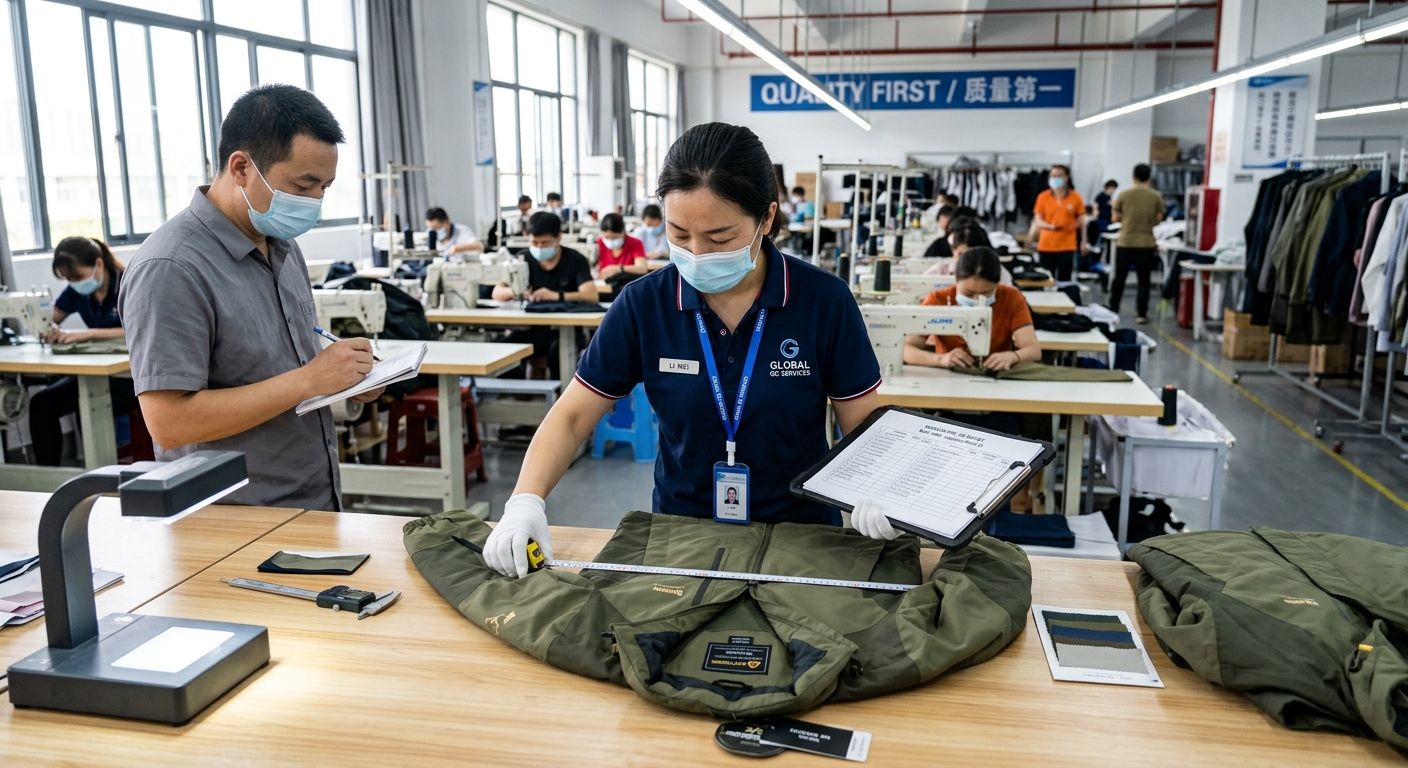
Introduction to Overseas Quality Control
Managing quality control in overseas manufacturing is a critical component of successful global supply chain management. When producing goods thousands of miles away, businesses face unique challenges such as language barriers, differing cultural expectations of quality, and varying regulatory standards. Overcoming these hurdles requires a proactive approach, robust communication, and a well-defined quality assurance strategy.
By establishing clear expectations early and monitoring production throughout its lifecycle, companies can mitigate risks, reduce product defects, and protect their brand reputation. This article explores actionable strategies to ensure your offshore manufacturing partners consistently deliver high-quality products.
Establishing Clear Quality Standards
The foundation of any successful manufacturing relationship is clarity. Before signing a contract, it is imperative to develop comprehensive product specifications. These should include precise details regarding materials, dimensions, colors, packaging, and performance requirements. Leaving room for interpretation often leads to defective products and costly disputes.
Creating a golden sample—an approved prototype that represents the exact standard of the final product—is a highly effective way to set expectations. Both the buyer and the manufacturer should retain a signed and dated golden sample to serve as the ultimate reference point during mass production. Additionally, it is crucial to ensure that your chosen partner is capable of meeting these standards. To do this, you might consult resources like How to Vet International Suppliers: A Comprehensive Guide for Businesses to establish a rigorous vetting process.
Choosing the Right Inspection Methods
To maintain quality throughout the manufacturing process, companies typically employ a combination of inspection methods. Depending on the complexity of the product and the history of the supplier, different stages of inspection may be necessary.
Here is a comparison of common quality control inspection methods used in overseas manufacturing.
| Inspection Type | Timing | Primary Purpose | Cost Implication |
|---|---|---|---|
| Pre-Production Inspection (PPI) | Before production starts | Verify raw materials and components | Low to Medium |
| During Production Inspection (DUPRO) | 10% - 15% completed | Identify deviations early | Medium |
| Pre-Shipment Inspection (PSI) | 80% - 100% completed | Confirm final product matches golden sample | Medium to High |
| Container Loading Inspection (CLI) | During loading | Ensure correct handling and quantity | Low |
Navigating Regulatory and Trade Complexities
Overseas manufacturing is deeply intertwined with international trade laws, customs regulations, and trade agreements. A product that meets quality standards must still pass through customs efficiently to reach its final market. Understanding the documentation and compliance requirements is vital. For insights into this process, businesses should review Understanding Customs Clearance for B2B: A Complete Guide.
Furthermore, taking advantage of international trade agreements can reduce costs and streamline operations. Agreements can affect duties, tariffs, and even required quality certifications. For example, exploring the Comprehensive Guide to the IEU-CEPA Trade Agreement Benefits can provide strategic advantages for companies manufacturing in specific regions.
Leveraging Third-Party Quality Assurance
Relying solely on a factory's internal quality control team is often risky due to inherent conflicts of interest. Engaging a reputable third-party inspection agency provides an objective assessment of your products. These agencies act as your eyes and ears on the factory floor.
Third-party inspectors use internationally recognized statistical sampling procedures, such as Acceptable Quality Limit (AQL), to determine whether a batch of products meets your standards. This objective data empowers you to make informed decisions about whether to accept, reject, or rework a shipment before it leaves the factory.
Building Strong Supplier Relationships
Quality control should not be a purely transactional or adversarial process. The most successful overseas manufacturing ventures are built on mutually beneficial partnerships. Regular communication, frequent visits (when possible), and a collaborative approach to problem-solving foster trust and respect.
When defects occur, rather than simply penalizing the supplier, work together to identify the root cause through Corrective and Preventive Action (CAPA) plans. This collaborative mindset encourages continuous improvement and often results in higher quality production over the long term.
Conclusion
Managing quality control in overseas manufacturing requires a comprehensive, multi-faceted approach. By defining precise standards, utilizing appropriate inspection methods, navigating trade complexities, and fostering strong supplier relationships, businesses can successfully mitigate the risks of offshore production. Investing time and resources into a robust quality management system not only prevents costly defects but also ensures that your brand consistently delivers excellence to the end consumer.
Frequently Asked Questions
What is a golden sample in manufacturing?
A golden sample is the final, approved prototype of a product that sets the exact standard for mass production. It serves as the physical benchmark against which all future production units are measured for quality, color, materials, and functionality.
Why is Pre-Shipment Inspection (PSI) important?
Pre-Shipment Inspection is crucial because it is usually the final opportunity to check the products before they are paid for and shipped. It verifies that the finished goods comply with the buyer's specifications and quality standards, preventing defective items from reaching the market.
What does AQL mean in quality control?
AQL stands for Acceptable Quality Limit. It is a statistical measurement indicating the maximum number of defective units allowed in a particular sample size before the entire batch is rejected. It helps balance the cost of inspection with the risk of receiving defective goods.
Should I use a third-party inspection company?
Yes, using a third-party inspection company is highly recommended. It provides an unbiased, professional evaluation of your products, ensuring that your supplier's internal quality reports are accurate and that your standards are strictly enforced without conflicts of interest.
Comments
Post a Comment