Introduction to Vetting International Suppliers
Sourcing products from overseas can significantly reduce costs and expand your product offerings. However, navigating the global market requires due diligence to avoid scams, poor quality, and shipping delays. Learning how to vet international suppliers is a critical skill for any business engaged in global trade. A rigorous vetting process ensures that you partner with legitimate, capable, and reliable manufacturers who align with your business goals.
Initial Background Checks and Desk Research
The first step in vetting an international supplier is conducting thorough desk research. Do not rely solely on their website or B2B marketplace profile. Check business licenses, registration numbers, and company histories. Use global trade directories and verify their physical address using satellite imagery. If a supplier claims to be a massive manufacturer but their address points to a small residential building, that is an immediate red flag. A legitimate supplier will have no issue providing their official business documentation upon request.
Assessing Manufacturing Capabilities
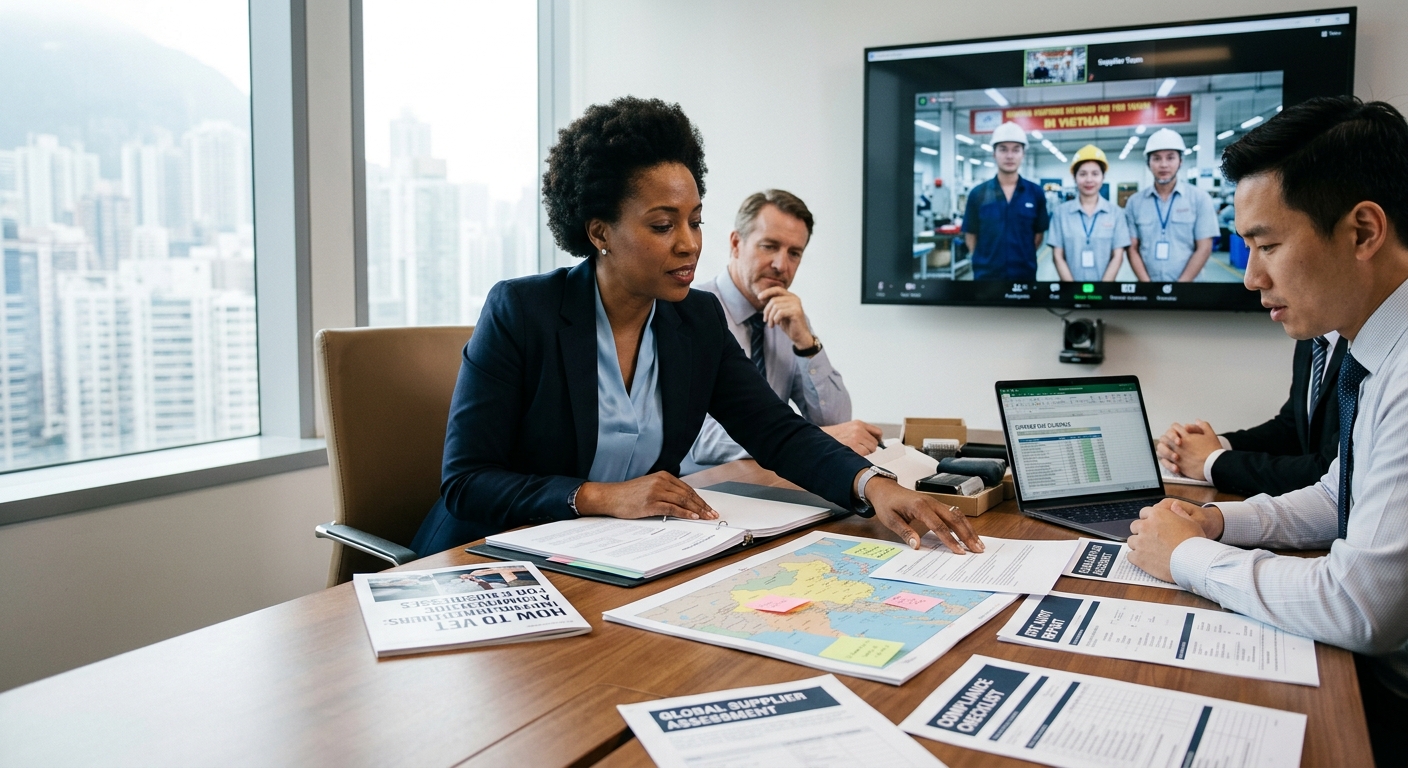
Once you have verified that the business exists, you must determine if they can actually produce what you need at the scale you require. Request product samples, ask for virtual factory tours, and review their production capacity. It is also beneficial to consult The Ultimate Guide on How to Start International B2B Trade to understand the baseline requirements for entering into manufacturing agreements with foreign entities.
Quality Control and Compliance Certifications
Quality control should never be compromised. Ask the supplier for their ISO certifications or any industry-specific compliance documents. Verify these certificates directly with the issuing bodies, as fraudulent certificates are unfortunately common. Additionally, ask about their internal quality assurance processes. Do they conduct inspections during production, or only before shipment? Understanding their defect rate and return policies is essential before signing any contracts.
Evaluating Logistics and Supply Chain Reliability
A supplier might produce excellent goods, but if they cannot ship them reliably, your business will suffer. Discuss lead times, shipping terms (Incoterms), and packaging standards. It is crucial to ensure their shipping capabilities align with your inventory needs. For a deeper dive into managing this aspect, review The Ultimate Guide to International B2B Shipping Logistics. A good supplier will have established relationships with freight forwarders and customs brokers.
Methods of Vetting Suppliers
To help you choose the best approach for your business, the table below compares three common methods used to vet international suppliers based on cost, reliability, and time required.
| Vetting Method | Financial Cost | Reliability Level | Time Required |
|---|---|---|---|
| Desk Research | Low | Moderate | 1-3 Days |
| Third-Party Audits | High | Very High | 2-4 Weeks |
| On-Site Visits | Very High | Maximum | 1-2 Months |
Communication and Cultural Considerations
Effective communication is the bedrock of any successful supplier relationship. Evaluate their responsiveness, English proficiency (or your ability to communicate in their language), and willingness to answer complex questions. Delayed responses or evasive answers during the vetting phase are indicators of how they will behave during a crisis. To navigate these relationships effectively, you can explore various international trade resources that offer insights into cultural business etiquette and negotiation strategies.
Ordering Samples and Small Batch Testing
Never place a large order without first ordering a sample. A sample allows you to assess the material quality, craftsmanship, and packaging. If the sample meets your standards, proceed with a small trial order. This "small batch testing" phase tests the supplier's consistency, communication during production, and adherence to delivery timelines. Only after a successful trial order should you consider entering into a long-term, high-volume contract.
Conclusion
Vetting international suppliers is a multi-step process that demands time, resources, and critical thinking. By conducting comprehensive background checks, verifying certifications, testing communication, and running trial orders, you can mitigate the risks associated with global sourcing. Building a reliable international supply chain is an ongoing effort, but starting with a rigorous vetting framework will protect your business and set the foundation for profitable, long-term partnerships.
Frequently Asked Questions
What are the biggest red flags when vetting a new international supplier?
Major red flags include refusal to provide a business license, an inability to arrange a video call from their factory, unusually low prices compared to the market average, and requesting payments to personal bank accounts instead of corporate ones.
How can I verify a supplier's certifications?
You can verify certifications by contacting the issuing authority directly. Most certification bodies, such as the International Organization for Standardization (ISO), have online databases where you can enter the certificate number to confirm its validity and expiration date.
Should I use a sourcing agent to vet suppliers?
Using a reputable sourcing agent can be highly beneficial, especially if you lack experience in the supplier's country. Sourcing agents speak the local language, understand the business culture, and can conduct on-site factory audits much more cost-effectively than if you were to travel there yourself.
Comments
Post a Comment