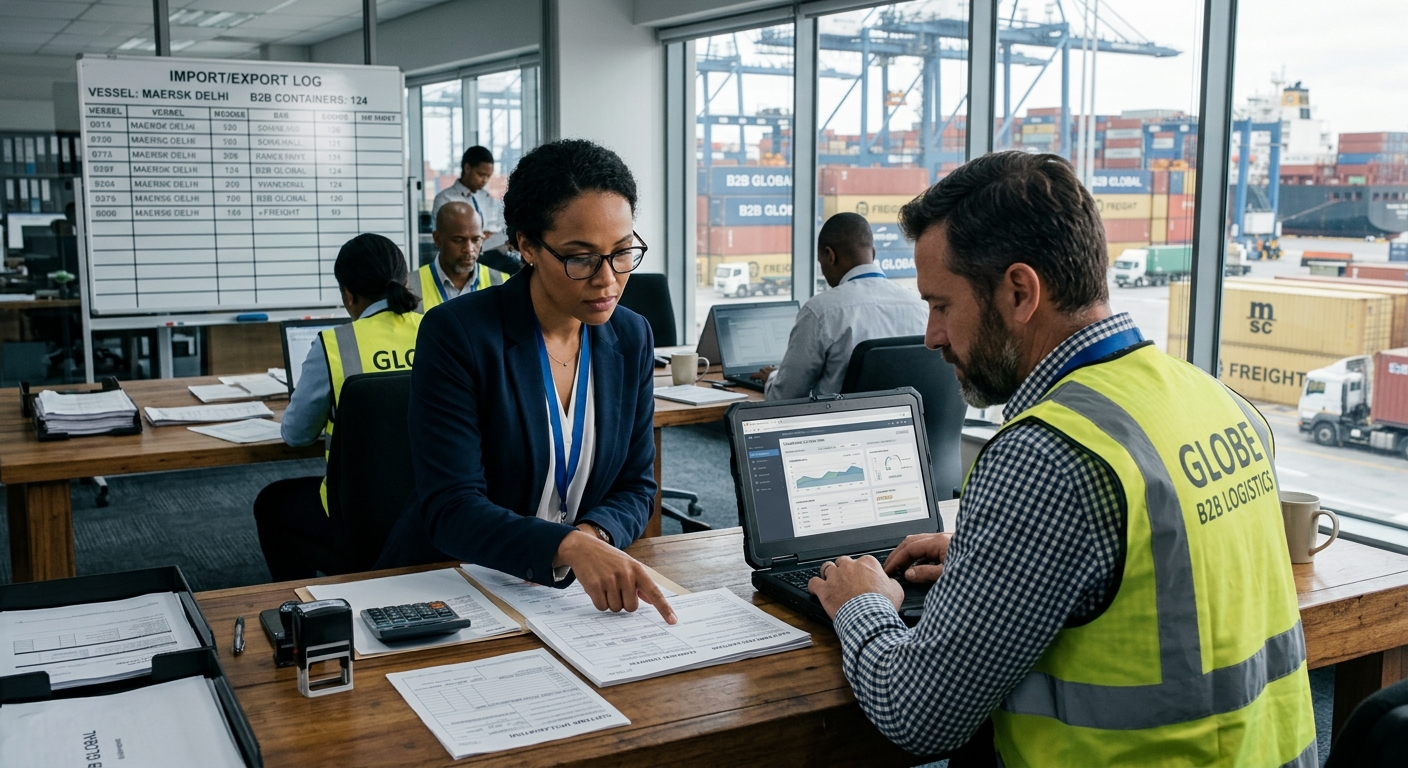
Introduction to B2B Customs Clearance
In the interconnected world of international trade, navigating the complexities of customs clearance is a critical component for Business-to-Business (B2B) operations. Whether you are importing raw materials or exporting finished goods, understanding the customs clearance process is essential to avoid delays, reduce costs, and maintain a seamless supply chain. Customs clearance involves the preparation and submission of documentation required to facilitate exports or imports into the country, representing the client during customs examination, assessment, payment of duty, and co-taking delivery of cargo from customs after clearance.
For small and medium-sized enterprises venturing into global markets, grasping these concepts is vital. If you are just starting out, reading Import Export Basics for Small Business: A Comprehensive Guide can provide a strong foundation for your international trade endeavors.
The Importance of Accurate Documentation
The backbone of any successful customs clearance process is accurate and complete documentation. Customs authorities require specific paperwork to verify the contents, value, and origin of shipments. Missing or incorrect documents can lead to severe delays, fines, or even the seizure of goods. The most common documents include the Commercial Invoice, Packing List, Bill of Lading or Airway Bill, and Certificate of Origin.
When businesses source goods globally, the documentation process begins at the manufacturer's facility. It is crucial to ensure that your suppliers provide accurate information from the start. For insights on finding reliable suppliers, check out A Complete Guide to Sourcing Products from Overseas Manufacturers.
Key Documents Required
- Commercial Invoice: Details the transaction between the buyer and seller, including the value of the goods for duty assessment.
- Packing List: Provides information about the packaging, weight, and dimensions of the shipment.
- Bill of Lading: A contract between the owner of the goods and the carrier.
- Certificate of Origin: Certifies the country where the goods were manufactured.
Understanding HS Codes and Tariffs
The Harmonized System (HS) is an internationally standardized system of names and numbers used to classify traded products. Every item that crosses international borders must be classified under an HS code. This code determines the tariff rates, duties, and taxes applicable to the goods, as well as any restrictions or special requirements.
Classifying products incorrectly can result in overpaying duties or facing penalties for underpayment. Therefore, businesses must invest time in determining the correct HS codes for their products. For those doing business in specific regions, such as Southeast Asia, understanding local tariff systems is indispensable. You can find detailed information by Navigating the Indonesia Customs Tariff Finder and HS Codes: A Comprehensive Guide.
Below is a comparison of two common Incoterms used in B2B shipping, which dictate who is responsible for customs clearance:
| Incoterm | Buyer Responsibility | Seller Responsibility | Customs Clearance Responsibility |
|---|---|---|---|
| FOB (Free On Board) | Main Carriage, Import Customs, Delivery | Origin Logistics, Export Customs | Split (Seller exports, Buyer imports) |
| DDP (Delivered Duty Paid) | Unloading at Destination | All logistics, Export and Import Customs, Duties | Seller |
Working with Customs Brokers
Given the complexity of international trade laws, many B2B companies choose to hire licensed customs brokers. These professionals act as intermediaries between the business and customs authorities. They are experts in tariff schedules, customs regulations, and trade agreements. A good customs broker will ensure that all paperwork is filed correctly and on time, calculate duties and taxes, and help navigate any unforeseen issues that arise during the clearance process.
Conclusion
Understanding B2B customs clearance is a fundamental requirement for any business engaged in international trade. By ensuring accurate documentation, mastering HS codes, understanding Incoterms, and potentially partnering with experienced customs brokers, businesses can optimize their supply chains, reduce unforeseen costs, and maintain strong international partnerships. As global trade continues to evolve, staying informed and compliant will remain a key competitive advantage.
Frequently Asked Questions
What is the role of a customs broker in B2B trade?
A customs broker acts as an agent for an importer or exporter, preparing and submitting all necessary documentation, calculating duties and taxes, and ensuring compliance with all customs regulations to facilitate the smooth clearance of goods.
Why are HS codes so important?
HS codes are globally recognized codes used to classify products. They determine the rate of duty, applicable taxes, and any specific regulations or trade agreements that apply to the shipment. Incorrect classification can lead to financial penalties and shipment delays.
Who is responsible for paying import duties?
The responsibility for paying import duties depends on the agreed Incoterms between the buyer and seller. For example, under DDP (Delivered Duty Paid), the seller is responsible for all duties and taxes, whereas under FOB (Free On Board), the buyer assumes responsibility for import clearance and duties.
Comments
Post a Comment