Introduction to Verifying International Suppliers
In today's interconnected global economy, sourcing products from international suppliers is a vital strategy for many businesses looking to reduce costs, expand product lines, and increase profit margins. However, finding and working with overseas manufacturers and distributors comes with its own set of unique challenges. Chief among these is the critical task of supplier verification.
Verifying international suppliers is not just about avoiding scams; it is about establishing a foundation of trust and reliability that will support your supply chain for years to come. Failing to properly vet a supplier can lead to substandard products, delayed shipments, financial loss, and severe damage to your brand's reputation. This comprehensive guide will walk you through the essential steps and best practices for verifying international suppliers.
Step 1: Conduct Thorough Initial Research
The verification process begins the moment you identify a potential supplier. Before engaging in deep negotiations or placing a sample order, you must conduct extensive background research.
Utilize Online Directories and Reviews
Start by checking reputable B2B sourcing platforms like Alibaba, Global Sources, and ThomasNet. These platforms often have their own verification systems. Look for badges such as "Gold Supplier" or "Verified Supplier," but do not rely on these alone. Dig into their transaction history, customer reviews, and ratings. Look for patterns in feedback—consistent complaints about quality or shipping delays are major red flags.
Examine the Supplier's Website and Digital Footprint
A legitimate supplier should have a professional website with clear contact information, including a physical address, phone numbers, and company history. Be wary of websites that look hastily put together, lack detailed product information, or use generic stock photos for their manufacturing facilities. Cross-reference the company name and address using search engines to see if they appear on scam warning lists or trade forums.
Step 2: Request and Verify Documentation
Once you have a shortlist of potential suppliers, the next step is to request official documentation to prove their legitimacy and compliance with industry standards.
Business Licenses and Registration
Always ask for a copy of their business license and registration documents. In many countries, you can verify these documents through local government portals or local chambers of commerce. Ensure that the company name on the license matches the name you are dealing with and that the business scope covers the products you intend to purchase.
Quality Management Certificates
Request copies of quality management certifications, such as ISO 9001. Contact the issuing body to verify that the certificate is authentic and currently valid. If a supplier claims to manufacture products that require specific safety certifications (e.g., CE, RoHS, FDA), demand to see those test reports and verify them with the testing laboratories.
Step 3: Communicate and Assess Responsiveness
How a supplier communicates during the initial stages is a strong indicator of how they will handle your business relationship long-term. Pay attention to their responsiveness, clarity, and willingness to answer detailed questions.
If you are exploring specific regional opportunities, such as Indonesian Contract Manufacturing Services (Maklon): A Comprehensive Guide can provide valuable insights into regional manufacturing standards and practices.
Ask Detailed Questions
Ask specific questions about their production capacity, lead times, quality control processes, and raw material sourcing. A legitimate manufacturer will have no problem providing detailed, technical answers. If they are evasive or provide vague responses, they might be a trading company posing as a manufacturer, or they may lack the expertise they claim to have.
Step 4: Order Product Samples
Never place a bulk order without first evaluating physical samples. This is a crucial step in verifying that the supplier can actually produce the quality they promise.
Evaluate the Sample Thoroughly
When you receive the sample, inspect it carefully for material quality, craftsmanship, and adherence to your specifications. Keep in mind that suppliers often send their best work as samples. It is important to establish a clear quality standard based on this sample that will apply to all future production runs.
Step 5: Conduct Factory Audits
For large orders or long-term partnerships, relying on documentation and samples is not enough. You need eyes on the ground to verify the supplier's actual capabilities and working conditions.
Hire a Third-Party Inspection Agency
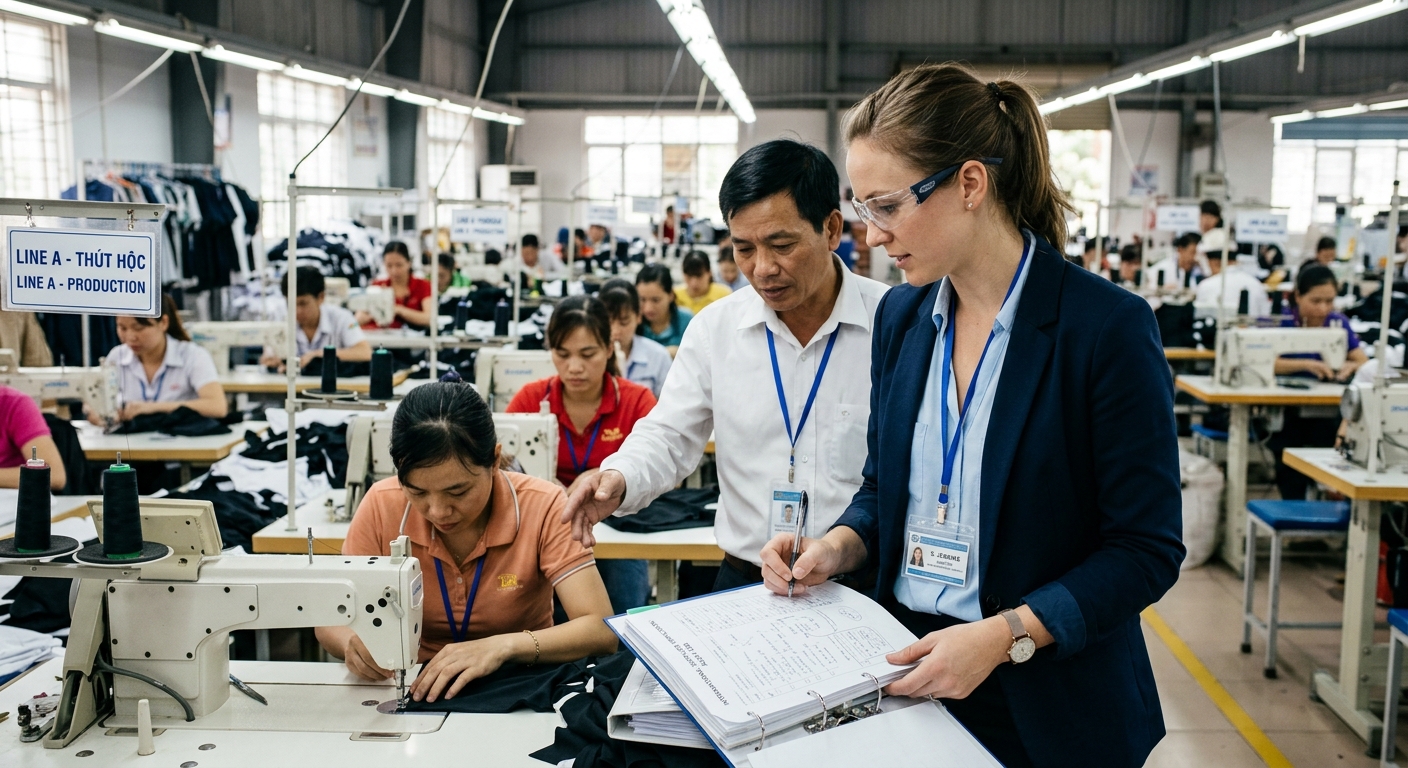
If you cannot visit the factory yourself, hire a reputable third-party inspection and auditing company based in the supplier's country. They can conduct a comprehensive factory audit to verify the supplier's production capabilities, quality control systems, social compliance, and environmental practices. This step provides unbiased, verified intelligence about who you are actually dealing with.
Step 6: Master Logistics and Negotiation
Once you are confident in a supplier's legitimacy, you must navigate the complexities of international trade terms and shipping.
Understand Shipping Logistics
Managing the movement of goods across borders is complex. You need a solid grasp of Incoterms, freight forwarding, and customs clearance. To master this crucial aspect of your supply chain, review The Ultimate Guide to International B2B Shipping Logistics. Proper logistics planning prevents delays and hidden costs.
Negotiate Terms Safely
When finalizing the deal, negotiate terms that protect your interests. This includes payment terms, quality standards, and penalties for delays or defective products. For strategies on securing favorable agreements, read How to Negotiate International B2B Deals Successfully. Never pay 100% upfront; use secure payment methods like Letters of Credit or Escrow services for initial orders.
Supplier Verification Checklist
To help you systematize your verification process, use the following checklist:
| Verification Step | Action Required | Status/Notes |
|---|---|---|
| Online Research | Check B2B directories, reviews, and search for scam reports. | |
| Documentation Check | Verify business licenses and ISO/Safety certificates. | |
| Communication | Assess responsiveness and technical knowledge. | |
| Sample Evaluation | Order and thoroughly inspect product samples. | |
| Factory Audit | Hire a 3rd party to inspect the manufacturing facility. |
Conclusion
Verifying international suppliers is a multifaceted process that requires diligence, patience, and a healthy dose of skepticism. By conducting thorough online research, verifying official documents, evaluating physical samples, and conducting factory audits, you can significantly mitigate the risks associated with global sourcing. Remember that supplier verification is not a one-time event; it is an ongoing practice. Continuously monitor your suppliers' performance, maintain open lines of communication, and conduct periodic quality inspections to ensure that your international supply chain remains robust, reliable, and profitable.
Frequently Asked Questions
What is the biggest red flag when dealing with a new international supplier?
One of the biggest red flags is a supplier who demands 100% payment upfront via an untraceable method, such as Western Union or a personal bank account, especially if they are unwilling to provide verifiable business licenses or allow a third-party factory audit.
How can I tell if a supplier is a manufacturer or a trading company?
Manufacturers usually specialize in a narrow range of related products and can provide detailed technical answers about production. Trading companies often offer a wide, unrelated variety of products. Reviewing their business license and conducting a factory audit are the best ways to confirm their true status.
Are B2B platform verification badges (like "Gold Supplier") reliable?
While these badges indicate that the supplier has paid a premium fee and passed some basic checks by the platform, they do not guarantee product quality or perfect reliability. They should be used as a starting point, not a substitute for your own comprehensive verification process.
Comments
Post a Comment