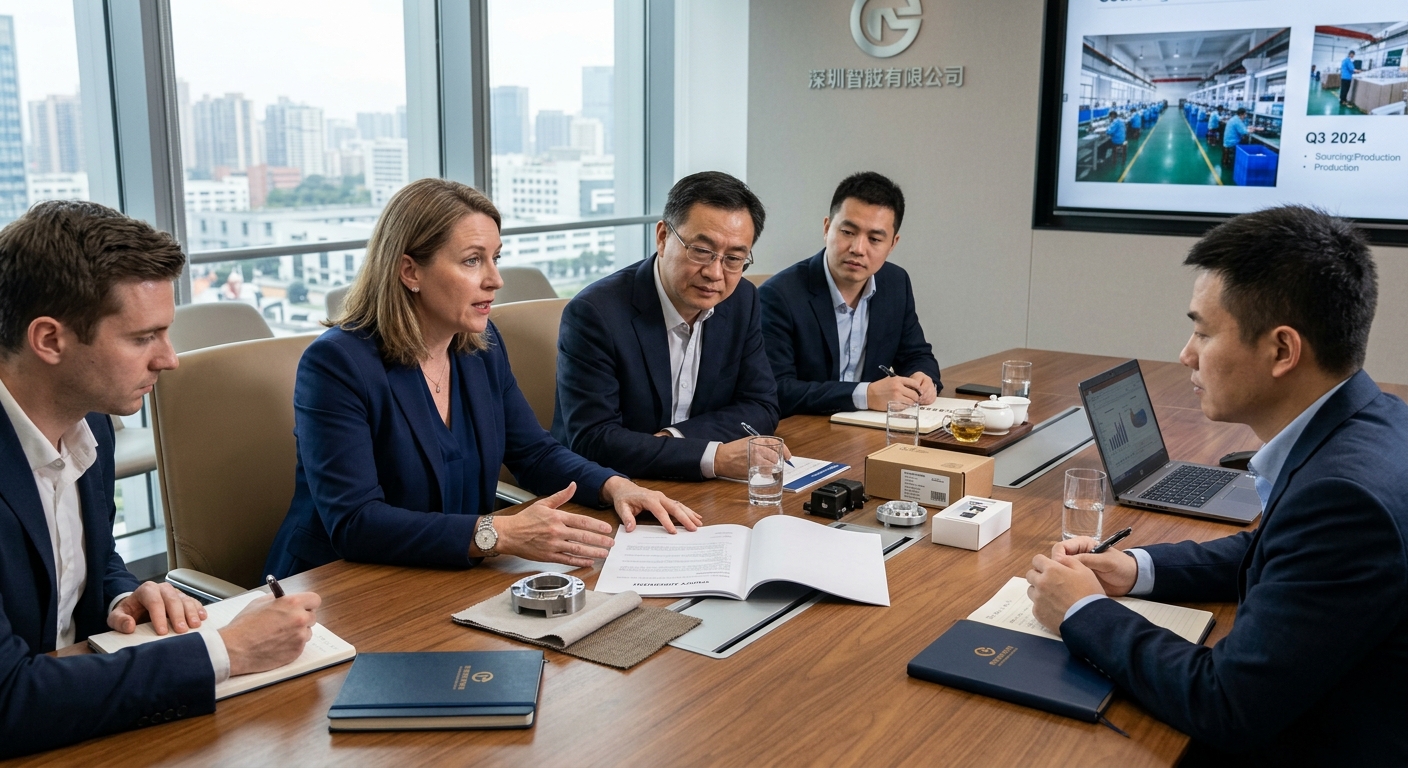
Sourcing products from overseas manufacturers can be a game-changer for your business, offering cost advantages and access to specialized production capabilities. However, the path to a successful partnership is paved with effective negotiation. Negotiating across borders involves more than just haggling over prices; it requires a deep understanding of cultural nuances, communication styles, and international business practices. This comprehensive guide will equip you with the strategies you need to negotiate successfully with overseas manufacturers.
Understanding the Supplier's Perspective
Before entering any negotiation, it is crucial to understand the manufacturer's point of view. Overseas suppliers are looking for long-term, reliable partnerships that guarantee consistent order volumes. They operate on tight margins and face their own supply chain challenges. By acknowledging their business goals, you can frame your negotiation points as mutually beneficial rather than adversarial.
One of the first steps in this process is ensuring you are talking to the right people. Before you even begin to negotiate, you need to find a trustworthy partner. For insights on this crucial first step, read The Comprehensive Guide to Finding Reliable Overseas B2B Suppliers. Once you have identified a potential partner, you can begin preparing your negotiation strategy.
Preparation: The Key to Successful Negotiation
Preparation is the foundation of any successful negotiation. You must know exactly what you want and understand the market dynamics of the product you are sourcing.
- Define Your Requirements: Be crystal clear about your product specifications, quality standards, minimum order quantities (MOQs), and delivery timelines. Ambiguity leads to misunderstandings and poor negotiation outcomes.
- Research the Market: Understand the raw material costs, labor rates, and typical profit margins in the manufacturer's region. This data will give you a realistic benchmark for pricing.
- Know Your Alternatives (BATNA): Your Best Alternative to a Negotiated Agreement gives you leverage. If you have other viable suppliers, you are less likely to accept unfavorable terms.
For example, if you are sourcing specific commodities, you need to understand the regional intricacies. A great example of specialized sourcing research is the Comprehensive Guide to Sourcing Crude Palm Oil from Indonesia. Understanding such specific markets allows you to negotiate from a position of authority.
Key Negotiation Points
While price is often the primary focus, it should not be the only one. Negotiating on multiple fronts allows you to create a well-rounded agreement that protects your business.
Price and Minimum Order Quantities (MOQs)
Manufacturers often set high MOQs to justify production runs. If their MOQ is too high for your current needs, negotiate a trial order at a slightly higher unit price, with the promise of larger orders once the product is validated in your market. When discussing price, break it down into components (materials, labor, packaging) to see where there is room for optimization.
Quality Control and Defect Rates
Never compromise on quality for a lower price. Establish acceptable defect rates and agree on how defective items will be handled—whether through replacements in the next order or deductions from the current invoice. Specify that independent third-party inspections will be conducted before shipment.
Payment Terms
Payment terms are a critical negotiation point that directly impacts your cash flow. Manufacturers prefer large upfront deposits, while buyers prefer to pay after receiving the goods. A common compromise is 30% upfront and 70% upon completion, prior to shipment. Navigating these financial waters requires knowledge of global financial mechanisms. To ensure you handle this correctly, review A Complete Guide to International B2B Payment Methods.
To help you understand the differences between common payment terms used in international trade, review the comparison table below.
| Payment Term | Risk to Buyer | Risk to Supplier | Impact on Buyer Cash Flow |
|---|---|---|---|
| 100% Upfront (T/T) | High | Low | Negative |
| Letter of Credit (L/C) | Low | Low | Neutral |
| 30% Deposit / 70% on Bill of Lading | Medium | Medium | Moderate |
| Net 30 / Open Account | Low | High | Positive |
Cultural Nuances and Communication
Cultural differences play a significant role in international negotiations. In many Asian cultures, for example, "saving face" and building personal relationships (Guanxi in China) are paramount. Negotiations are often seen as the beginning of a relationship rather than a one-off transaction. Be patient, avoid aggressive tactics, and invest time in building rapport.
Language barriers can also cause misunderstandings. Use simple, direct language. Avoid idioms and slang. Whenever possible, follow up verbal conversations with a written summary to ensure both parties are aligned.
Drafting the Manufacturing Contract
Once you have agreed on the terms, everything must be documented in a legally binding contract, often referred to as an NNN agreement (Non-Disclosure, Non-Use, Non-Circumvention) and a Manufacturing Agreement. This contract should cover:
- Detailed product specifications
- Pricing and payment terms
- Lead times and penalties for delays
- Intellectual property protection
- Jurisdiction for dispute resolution (preferably your home country or a neutral territory)
Conclusion
Negotiating with overseas manufacturers is a complex but rewarding process. By approaching negotiations with thorough preparation, a willingness to understand the supplier's perspective, and a focus on long-term relationship building, you can secure favorable terms that drive your business's success. Remember to balance price considerations with strict quality control and favorable payment terms, ensuring a sustainable and profitable partnership.
Frequently Asked Questions
How do I negotiate MOQs with a new manufacturer?
Offer to pay a slightly higher price per unit for a smaller initial "trial" order to test market demand, with the explicit agreement that future orders will meet their standard MOQs at the lower negotiated price.
What should I do if a manufacturer raises the price after the first order?
Ask for a detailed breakdown of the cost increases (e.g., raw materials, currency fluctuations). If the increase is unjustified, remind them of your long-term volume potential or mention that you will need to solicit quotes from your alternative suppliers.
Is it necessary to visit the overseas factory in person?
While not strictly necessary, visiting the factory in person demonstrates commitment, helps build a stronger relationship, and allows you to verify their production capabilities and working conditions firsthand.
How can I protect my intellectual property (IP) when manufacturing overseas?
Always have the manufacturer sign an NNN (Non-Disclosure, Non-Use, Non-Circumvention) agreement before sharing any designs. Additionally, register your trademarks and patents in the country where the manufacturing takes place.
Comments
Post a Comment