Introduction to Global B2B Sourcing
In today's highly interconnected global economy, finding the right overseas B2B suppliers is a critical step for businesses looking to scale operations, reduce production costs, and diversify their product offerings. Whether you are an e-commerce entrepreneur, a seasoned manufacturer, or a retail distributor, the quality of your supply chain directly impacts your bottom line. Sourcing internationally allows companies to access specialized manufacturing capabilities, unique raw materials, and competitive pricing that may not be available in domestic markets.
However, navigating the complex landscape of international trade can be daunting. From overcoming language barriers to ensuring product quality and compliance, businesses must employ strategic methodologies when searching for foreign partners. Before diving into supplier outreach, it is highly recommended to understand the fundamental mechanics of international commerce. For those new to this space, reading A Comprehensive Beginner's Guide to Import and Export can provide a solid foundation for understanding tariffs, logistics, and cross-border regulations.
Top Strategies for Identifying Overseas Suppliers
Finding a trustworthy B2B supplier overseas requires a multi-faceted approach. Depending on your industry, budget, and specific product requirements, some methods will yield better results than others. Below are the most effective strategies for locating international manufacturing partners.
1. Online B2B Marketplaces and Directories
Online platforms have revolutionized the way businesses connect. Marketplaces such as Alibaba, Global Sources, and ThomasNet host thousands of verified suppliers from around the world. When utilizing these directories, it is essential to look for suppliers with "verified" or "gold" status, read buyer reviews, and analyze their transaction history. While these platforms are excellent starting points, thorough due diligence is required to separate reputable manufacturers from middlemen or trading companies.
2. Industry-Specific Trade Shows and Exhibitions
Attending international trade shows remains one of the most effective ways to find and vet overseas suppliers. Exhibitions like the Canton Fair in China, Hannover Messe in Germany, or specific industry expos allow you to meet factory representatives face-to-face, inspect product samples in real-time, and negotiate terms directly. Building a personal relationship at a trade show often lays the groundwork for stronger, more transparent long-term partnerships.
3. Utilizing Sourcing Agents
For businesses lacking the time or cultural expertise to navigate foreign markets, hiring a local sourcing agent can be invaluable. A reputable agent acts as your representative on the ground, conducting factory audits, negotiating prices, and managing quality control. This is particularly useful when targeting specific regions for niche manufacturing. For example, if you are looking to source specialized consumer goods in Southeast Asia, reviewing resources like A Guide to White Label Manufacturing Companies in Indonesia can help you and your agent pinpoint the best regional partners for your specific needs.
Evaluating and Vetting Potential Suppliers
Once you have compiled a shortlist of potential suppliers, the next critical phase is evaluation. Partnering with a manufacturer without proper vetting can lead to severe financial losses, delayed shipments, and brand damage due to poor product quality.
Requesting Samples and Conducting Audits
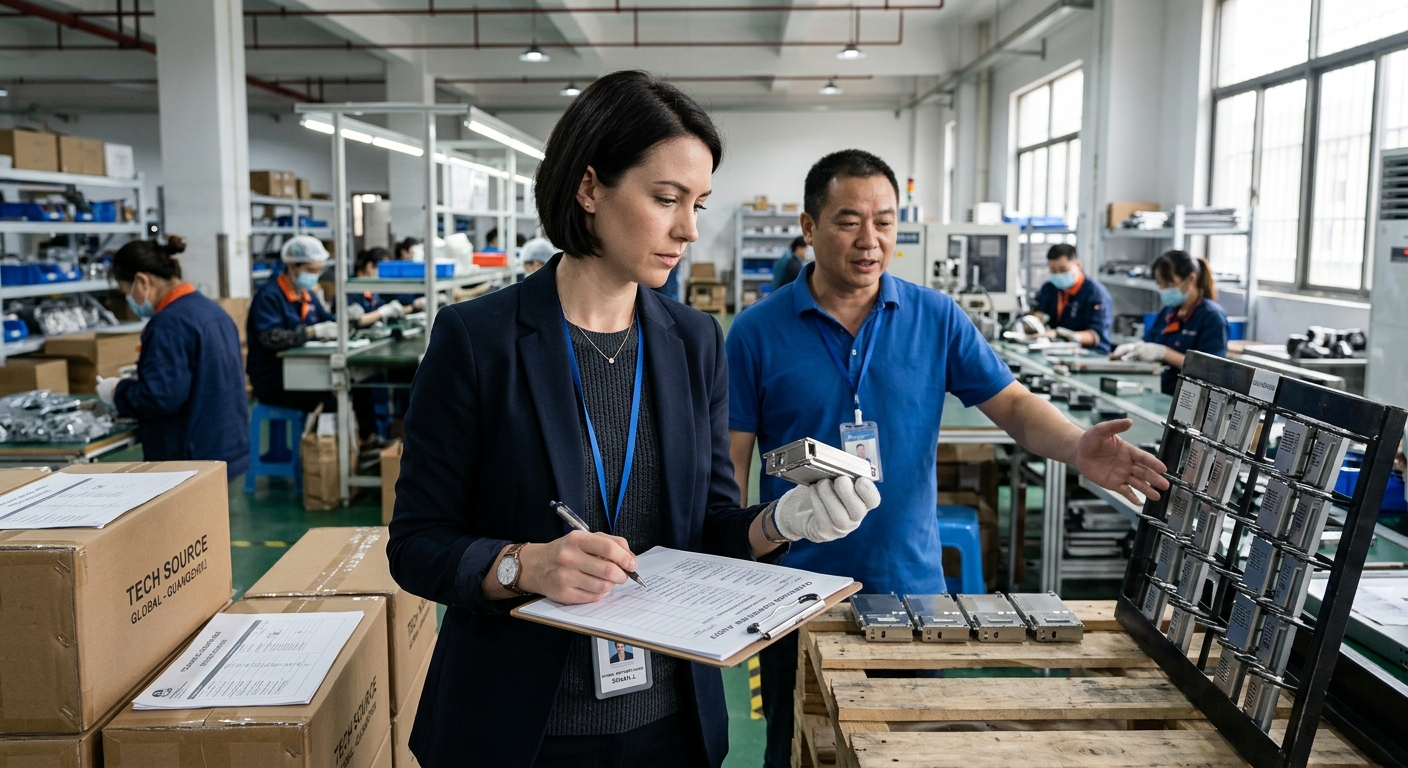
Never commit to a large production run without first ordering product samples. Samples allow you to assess the supplier's material quality, manufacturing precision, and attention to detail. Additionally, consider hiring a third-party inspection company to conduct a comprehensive factory audit. These audits verify the supplier's production capacity, machinery, labor conditions, and quality management systems (such as ISO 9001 certification).
Communication and Responsiveness
Effective communication is the lifeblood of international trade. Pay close attention to how quickly and clearly a supplier responds to your initial inquiries. Do they answer your questions thoroughly? Are they transparent about their minimum order quantities (MOQs) and lead times? A supplier who is difficult to reach during the negotiation phase will likely be even harder to contact if a production issue arises later.
Structuring the B2B Partnership
Finding a supplier is only half the battle; structuring a mutually beneficial agreement ensures long-term success. Contracts should clearly outline quality standards, payment terms, delivery schedules (Incoterms), and intellectual property protection.
Moreover, if your eventual goal is to not just import but also expand your own reach by exporting goods, understanding both sides of the B2B equation is vital. You can learn more about positioning your own company globally by reading The Ultimate Guide: How to Start B2B Export for Your Business. This dual perspective helps you negotiate better terms, as you understand the pressures and expectations your suppliers face in the international market.
Comparison of Sourcing Channels
To help you decide which route to take, here is a comparative overview of the primary sourcing channels:
| Sourcing Channel | Pros | Cons | Best For |
|---|---|---|---|
| Online Directories | Cost-effective, vast selection, easy to use from anywhere. | High risk of scams, communication barriers, difficulty verifying quality. | Small businesses, initial market research, low-volume orders. |
| Trade Shows | Face-to-face interaction, immediate sample inspection, strong relationship building. | Expensive travel costs, time-consuming, requires significant planning. | Medium to large enterprises, custom manufacturing, high-volume orders. |
| Sourcing Agents | Local expertise, on-the-ground quality control, overcomes language barriers. | Added costs/commissions, requires finding a trustworthy agent. | Businesses entering complex new markets, companies lacking internal sourcing teams. |
Conclusion
Finding overseas B2B suppliers is a strategic endeavor that demands patience, meticulous research, and proactive risk management. By leveraging online directories, attending global trade shows, and utilizing regional sourcing agents, businesses can identify manufacturing partners that align with their operational goals. Remember that vetting through sample testing, factory audits, and clear communication is non-negotiable for protecting your brand's reputation. Establishing a robust international supply chain is an ongoing process of relationship management, but the rewards of increased margins and competitive product offerings are well worth the effort.
Frequently Asked Questions
What is a Minimum Order Quantity (MOQ) and why is it important?
The Minimum Order Quantity (MOQ) is the lowest number of units a supplier is willing to manufacture or sell in a single order. It is important because it dictates your initial investment and inventory risk. When searching for overseas suppliers, finding one whose MOQ aligns with your business size and cash flow is crucial for a sustainable partnership.
How can I protect my intellectual property when working with overseas suppliers?
Protecting intellectual property (IP) internationally requires legal foresight. You should use Non-Disclosure Agreements (NDAs) and Non-Compete, Non-Disclosure, Non-Circumvention (NNN) agreements tailored to the supplier's local jurisdiction. Additionally, registering your patents and trademarks in the country of manufacture provides an essential layer of legal protection.
What are Incoterms and how do they affect my sourcing costs?
Incoterms (International Commercial Terms) are standardized trade terms published by the International Chamber of Commerce. They define the responsibilities of buyers and sellers regarding the delivery of goods, insurance, and freight costs. Common terms like FOB (Free on Board) or EXW (Ex Works) significantly impact your total landed cost, making it vital to negotiate these terms clearly with your overseas supplier.
Comments
Post a Comment