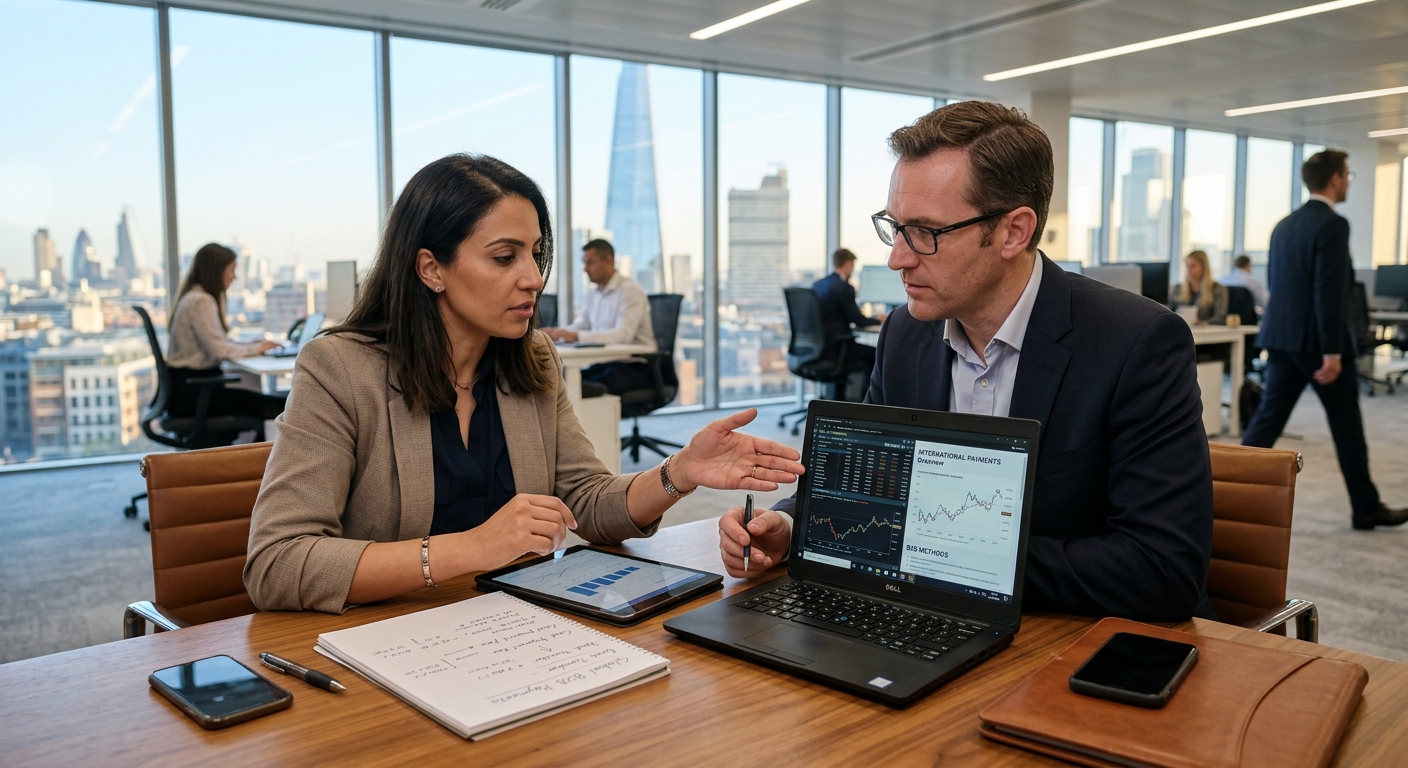
Introduction to International B2B Payments
In the modern era of globalization, businesses are no longer confined by geographical borders. As global trade expands, the need for efficient, secure, and cost-effective international B2B payment methods becomes increasingly critical. Whether you are importing raw materials, paying foreign contractors, or expanding into new markets, understanding how money moves across borders is essential. For those just entering this space, reading A Comprehensive Beginner's Guide to Import and Export is an excellent starting point to grasp the basics of international commerce.
Choosing the right payment method can significantly impact your company's cash flow, risk exposure, and operational efficiency. This comprehensive guide will explore the various international B2B payment methods available today, helping you make informed decisions for your business.
Traditional International B2B Payment Methods
Wire Transfers (SWIFT)
Wire transfers, primarily facilitated by the SWIFT (Society for Worldwide Interbank Financial Telecommunication) network, have been the backbone of international B2B payments for decades. They allow businesses to send funds directly from their bank account to a supplier's foreign bank account. While highly secure and universally accepted, wire transfers can be slow, sometimes taking several days to clear, and they often come with high intermediary bank fees and less favorable foreign exchange rates.
Letters of Credit
A Letter of Credit (LC) is a financial document issued by a bank that guarantees a buyer's payment to a seller will be received on time and for the correct amount. If the buyer is unable to make the payment, the bank will cover the full or remaining amount. This method is highly secure and frequently used in international trade, especially when dealing with new suppliers or large transactions. For companies looking to expand their operations, understanding financial instruments like LCs is vital. You can learn more about setting up these operations by reading The Ultimate Guide: How to Start B2B Export for Your Business.
Documentary Collections
Documentary collections involve a bank acting as an intermediary to collect payment from the buyer in exchange for the transfer of documents that grant title to the shipped goods. While less secure than a Letter of Credit (since the bank does not guarantee payment), it is generally cheaper and faster, making it suitable for established business relationships.
Modern and Alternative B2B Payment Solutions
Digital Payment Platforms
With the rise of fintech, digital payment platforms have revolutionized cross-border B2B transactions. Services like PayPal, Payoneer, and specialized B2B payment gateways offer faster processing times and greater transparency compared to traditional bank transfers. These platforms often provide multi-currency accounts, allowing businesses to hold, receive, and send funds in various currencies, thereby reducing foreign exchange costs.
Blockchain and Cryptocurrency
Though still maturing, blockchain technology and cryptocurrencies offer a decentralized alternative for international payments. By bypassing traditional banking networks, blockchain payments can settle in minutes rather than days, with significantly lower transaction fees. However, regulatory uncertainty and price volatility remain substantial hurdles for widespread B2B adoption.
Corporate Credit Cards
Corporate credit cards are increasingly used for smaller international B2B transactions, such as software subscriptions or minor supply purchases. They offer convenience and short-term financing but usually incur high foreign transaction fees and unfavorable exchange rates, making them impractical for large-scale inventory purchases.
Factors to Consider When Choosing a Payment Method
Selecting the optimal payment method depends on several variables unique to your business and the specific transaction. Consider the following factors:
- Transaction Size: Large transactions may justify the fees associated with Letters of Credit for added security, while smaller transactions might be better suited for digital platforms.
- Relationship with Supplier: Established, trusting relationships may allow for open account terms or wire transfers, whereas new relationships might require the security of a Letter of Credit.
- Cost and Fees: Evaluate all associated costs, including transfer fees, intermediary bank fees, and foreign exchange markups.
- Speed: If goods need to be shipped urgently, faster payment methods like digital platforms or expedited wire transfers are necessary.
- Industry Specifics: Certain industries have standard payment practices. For example, if you are sourcing agricultural products, you might refer to Bulk Supply of Cocopeat Pith from Indonesia: A Complete Guide to understand the payment norms specific to that commodity and region.
Comparing International Payment Methods
To help visualize the differences, here is a comparison table of common international B2B payment methods:
| Payment Method | Security Level | Speed | Cost | Best For |
|---|---|---|---|---|
| Wire Transfer (SWIFT) | High | Moderate (2-5 days) | High | Large, routine transactions |
| Letter of Credit | Very High | Slow | High | New relationships, high-value orders |
| Digital Payment Platforms | High | Fast (Instant to 2 days) | Low to Moderate | SMEs, regular payments |
| Blockchain/Crypto | High | Very Fast (Minutes) | Low | Tech-savvy partners, rapid settlement needs |
Conclusion
Navigating the complex landscape of international B2B payment methods is a crucial component of successful global trade. By understanding the advantages, disadvantages, and costs associated with traditional methods like wire transfers and letters of credit, as well as modern solutions like digital platforms and blockchain, businesses can optimize their financial operations. Always weigh the factors of security, speed, and cost against the specific needs of your transaction and your relationship with the trading partner to ensure smooth and profitable cross-border commerce.
Frequently Asked Questions (FAQ)
What is the most secure method for international B2B payments?
The Letter of Credit is generally considered the most secure method for international B2B payments. It provides a bank guarantee that the seller will receive payment once all terms and conditions of the credit are met, significantly reducing the risk of non-payment for the seller and non-delivery for the buyer.
Why are international wire transfers sometimes slow and expensive?
International wire transfers often use the SWIFT network, which may require the funds to pass through several intermediary, or correspondent, banks before reaching the final destination. Each intermediary bank can charge a fee and add processing time, resulting in higher overall costs and slower delivery speeds.
Can small businesses use digital payment platforms for international trade?
Yes, digital payment platforms are highly recommended for small to medium-sized enterprises (SMEs). They generally offer more transparent pricing, lower fees than traditional banks, faster processing times, and user-friendly interfaces that make managing multi-currency transactions much simpler for businesses without large treasury departments.
Comments
Post a Comment