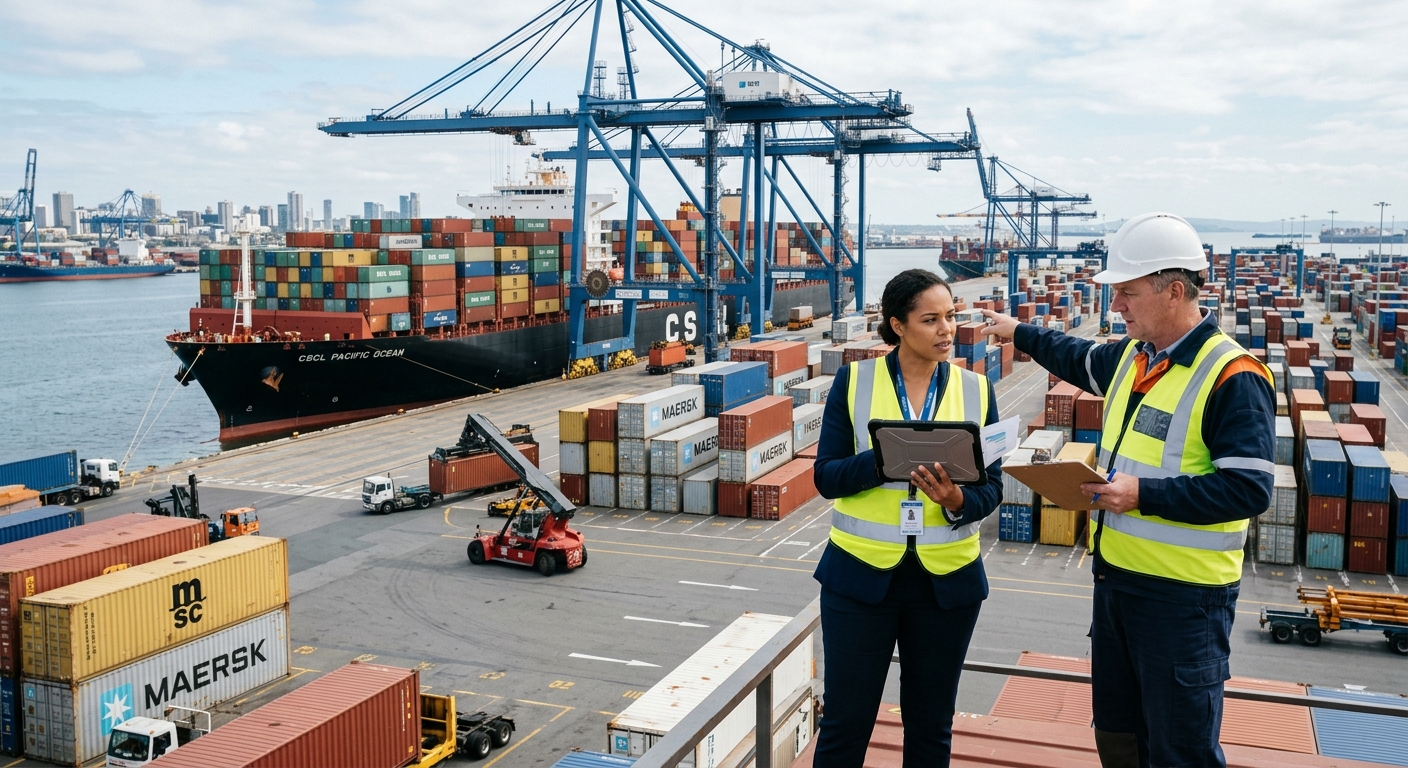
Introduction to Global Shipping Costs
In the highly competitive world of international business, managing and reducing shipping costs is critical for maintaining profitability. Global trade presents unique challenges, from volatile freight rates to complex regulatory environments. By optimizing logistics and implementing strategic cost-saving measures, businesses can significantly improve their bottom line. The key is to balance cost reduction with efficiency and reliability in your supply chain operations.
Effective Strategies for Cost Reduction
Reducing shipping expenses requires a multifaceted approach. Businesses must continuously evaluate their logistics frameworks, negotiate effectively with carriers, and leverage technology. To truly excel, companies often rely on comprehensive resources and industry insights, such as those found on global B2B trade platforms, to stay ahead of market trends and discover new logistical partners.
Optimize Packaging and Consolidation
One of the most direct ways to cut shipping costs is through optimized packaging. Carriers base their rates on dimensional weight, meaning that excessive packaging can lead to significantly higher fees. By designing packaging that is both protective and compact, businesses can reduce the dimensional footprint of their shipments. Furthermore, consolidating smaller shipments into a single larger one can help take advantage of bulk shipping rates and reduce the per-unit cost of transportation.
Negotiate with Multiple Carriers
Never settle for the first quote. Establishing relationships with multiple freight forwarders and carriers allows you to compare rates and negotiate better terms. Volume discounts are often available for businesses that ship large quantities regularly. It is crucial to have a solid grasp of your shipping volume and patterns to negotiate effectively. Utilizing resources like A Professional Guide to Managing International Supply Chain Logistics can provide deeper insights into structuring these partnerships for maximum benefit.
Navigating Customs and Compliance
Customs duties, taxes, and unexpected delays at the border can inflate shipping costs dramatically. Ensuring accurate documentation and compliance with international trade regulations is non-negotiable. Misclassification of goods or incorrect valuations can result in heavy fines and storage fees at the port.
By understanding free trade agreements and utilizing customs brokers effectively, companies can legally minimize duty expenses and avoid costly delays. For a thorough exploration of this topic, refer to Understanding Customs Clearance for B2B: A Complete Guide, which outlines the essential steps for seamless cross-border transactions.
Comparing Transportation Modes
Selecting the right mode of transportation is pivotal in controlling costs. Air freight is fast but expensive, while ocean freight is cost-effective for large volumes but much slower. A strategic mix of transportation modes can yield optimal results. The table below compares the primary modes of international freight.
| Transportation Mode | Cost Level | Transit Time | Best Suited For |
|---|---|---|---|
| Ocean Freight (FCL) | Low | 20-45 Days | High volume, heavy goods |
| Air Freight | High | 2-7 Days | Urgent, high-value goods |
| Rail Freight | Medium | 15-25 Days | Overland cross-border trade |
Conclusion
Reducing shipping costs in global trade is an ongoing process that requires vigilance, strategic planning, and continuous optimization. By focusing on packaging efficiency, carrier negotiations, modal selection, and customs compliance, businesses can achieve significant cost savings. Implementing these strategies will not only lower expenses but also build a more resilient and competitive international supply chain.
Frequently Asked Questions (FAQ)
How does dimensional weight affect shipping costs?
Dimensional weight calculates the shipping cost based on the volume a package occupies rather than just its actual weight. If a package is large but light, carriers will charge based on the dimensional weight, which makes optimizing packaging crucial.
What is the difference between FCL and LCL in ocean freight?
FCL (Full Container Load) means you rent the entire container for your goods, which is more cost-effective for large shipments. LCL (Less than Container Load) allows you to share a container with other shippers, which is ideal for smaller shipments but typically has a higher cost per cubic meter.
How can free trade agreements (FTAs) reduce costs?
FTAs are treaties between two or more countries that reduce or eliminate tariffs and import quotas. By verifying that your goods qualify under an FTA, you can significantly reduce the customs duties required to import your products into the destination country.
Comments
Post a Comment