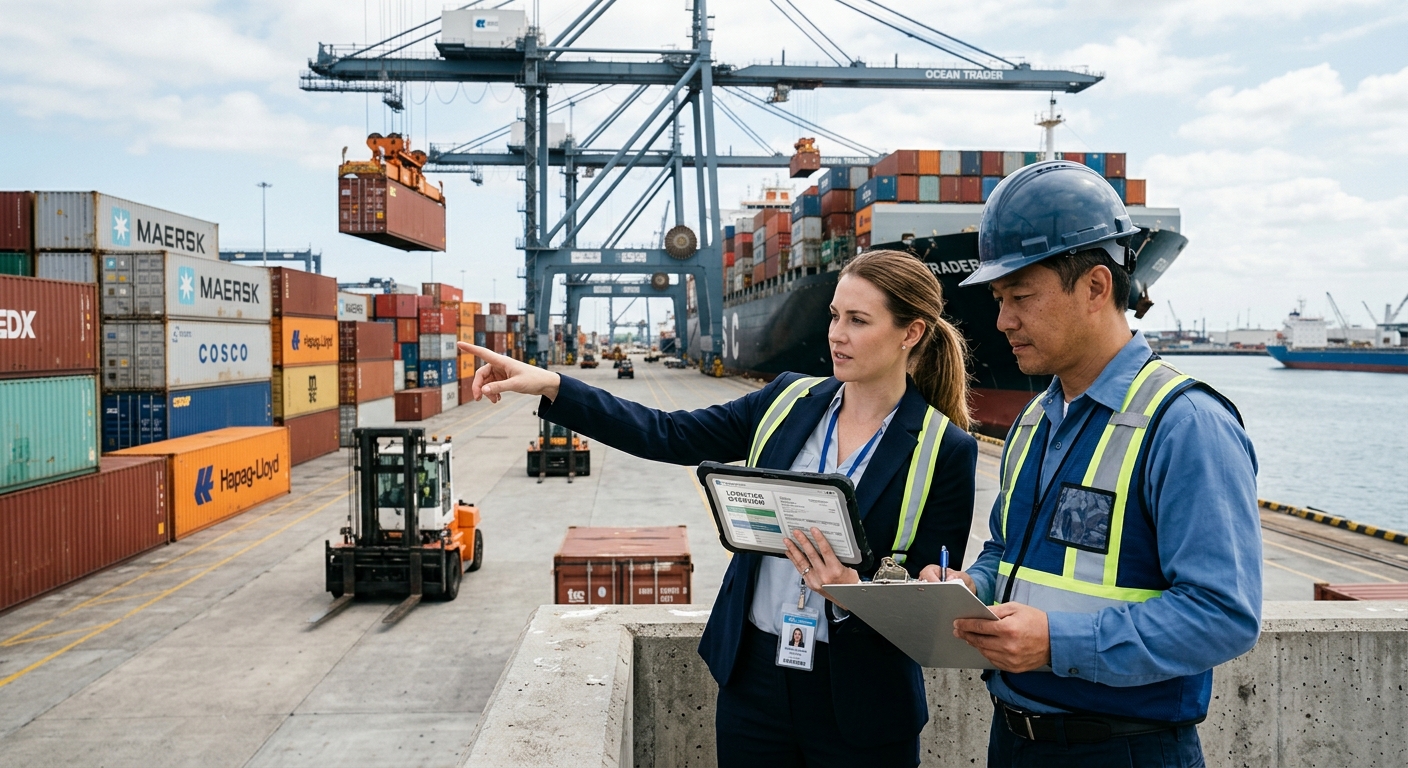
Entering the world of international trade can be an incredibly rewarding venture for entrepreneurs seeking to expand their horizons. The global marketplace offers boundless opportunities to source unique products, tap into new customer bases, and generate substantial revenue. However, navigating the complexities of cross-border commerce requires a solid foundation of knowledge. This beginner's guide to import and export is designed to equip you with the essential information needed to launch and sustain a successful international trading business.
Understanding the Basics of Import and Export
At its core, importing involves bringing goods or services into a country from abroad for sale, while exporting is the act of selling domestically produced goods or services to foreign markets. Both sides of the coin offer distinct advantages. Importing allows businesses to access cheaper materials, unique foreign products, or goods that are simply not available locally. Exporting, on the other hand, expands a company's market reach beyond domestic borders, providing access to millions of potential new customers and diversifying revenue streams.
Before diving in, it is crucial to understand that international trade is governed by a complex web of laws, regulations, and international agreements. Familiarizing yourself with these frameworks is the first step toward building a compliant and profitable enterprise. You must be prepared to handle customs duties, tariffs, international shipping logistics, and varying business cultures.
Setting Up Your Import-Export Business
Establishing a formal business entity is your first operational milestone. You will need to register your company with the appropriate local and national government agencies, obtain a tax identification number, and secure any necessary business licenses. In many jurisdictions, you may also need a specific import-export license or an Economic Operator Registration and Identification (EORI) number, depending on your location.
Once your legal entity is established, developing a robust business plan is essential. Your plan should outline your target markets, product niches, financial projections, and marketing strategies. For those looking to focus heavily on business-to-business transactions, reading through The Ultimate Guide: How to Start B2B Export for Your Business is highly recommended to grasp the nuances of corporate-level trading.
Finding the Right Products and Markets
Product selection and market research are the lifeblood of your import-export business. You must identify products that have a high demand in your target market but are either too expensive to produce locally or unavailable. Conduct thorough market research using trade statistics, government databases, and industry reports to analyze trends and identify gaps in the market.
When choosing a product, consider factors such as shelf life, shipping costs, regulatory restrictions, and profit margins. For example, if you are interested in specific high-demand commodities, you might consult A Complete Guide to Importing Crude Palm Oil from Indonesia to understand niche market dynamics, sourcing strategies, and specific regulatory hurdles associated with agricultural commodities.
Navigating Legal and Regulatory Compliance
Compliance is arguably the most critical aspect of international trade. Failing to adhere to customs regulations can result in delayed shipments, hefty fines, or the confiscation of goods. Every product is classified using a Harmonized System (HS) code, which determines the tariffs and duties applicable to your shipment. Accurate classification is entirely your responsibility.
- Customs Duties and Taxes: Understand the duty rates applicable to your specific products.
- Import/Export Restrictions: Ensure your goods are not embargoed, sanctioned, or subject to quotas.
- Product Safety Standards: Verify that your products meet the safety, health, and environmental standards of the destination country.
Working with a licensed customs broker is highly advisable for beginners. A broker acts as an intermediary between your business and the customs authorities, ensuring that all paperwork is accurately filed and that your shipments clear customs smoothly.
Managing Logistics and Shipping
Moving goods across the globe involves complex logistics. You must choose the right mode of transportation—air freight, ocean freight, rail, or road—based on your budget, the nature of your products, and the required delivery timeline. Air freight is fast but expensive, making it suitable for high-value or perishable goods. Ocean freight is much more cost-effective for large, heavy shipments but takes significantly longer.
Understanding International Commercial Terms (Incoterms) is vital. Incoterms clearly define the responsibilities of the buyer and seller regarding the delivery, insurance, and risk transfer of goods. Here is a brief overview of common Incoterms:
| Incoterm | Meaning | Responsibility Summary |
|---|---|---|
| EXW | Ex Works | Buyer bears almost all costs and risks. |
| FOB | Free on Board | Seller is responsible until goods are loaded onto the vessel. |
| CIF | Cost, Insurance, and Freight | Seller pays for costs, insurance, and freight to the destination port. |
| DDP | Delivered Duty Paid | Seller bears all costs, risks, and customs duties to the final destination. |
Partnering with a reliable freight forwarder can simplify the logistics process. Freight forwarders coordinate the transportation of your goods, handle the necessary shipping documentation, and can negotiate better rates with carriers.
Financial Considerations and Payment Methods
International trade introduces unique financial risks, including currency fluctuations and the risk of non-payment. Choosing the right payment method is essential to protect your business. The most common international payment methods include:
- Cash in Advance: Safest for the seller, as payment is received before goods are shipped.
- Letters of Credit (LC): A secure method where a bank guarantees payment upon the presentation of specific shipping documents.
- Documentary Collections: Banks act as intermediaries to exchange shipping documents for payment.
- Open Account: The buyer pays for the goods after receiving them, which is riskiest for the seller but attractive for the buyer.
It is also crucial to consider cargo insurance to protect your investment in case goods are damaged or lost during transit.
Conclusion
Starting an import-export business is a challenging yet exhilarating journey. By taking the time to understand the fundamentals of global trade, meticulously researching your products and markets, and strictly adhering to legal and regulatory compliance, you can build a resilient and highly profitable enterprise. Remember that success in international trade does not happen overnight. It requires patience, continuous learning, and the ability to adapt to an ever-changing global economic landscape. Leverage the expertise of customs brokers, freight forwarders, and trade advisors to minimize risks and maximize your potential for success.
Frequently Asked Questions
What is the easiest way to start an import-export business?
The easiest way to start is by acting as an intermediary, such as a sourcing agent or dropshipper, where you connect buyers and sellers without holding inventory. This minimizes upfront costs and logistics management while you learn the ropes of international trade.
Do I need a license to import or export goods?
It depends on your country and the specific goods you are trading. While many general goods do not require a specific license, certain regulated items like agricultural products, pharmaceuticals, chemicals, and weapons almost always require specialized permits from government agencies.
What is a Harmonized System (HS) code?
An HS code is a standardized numerical method of classifying traded products. Customs authorities worldwide use these codes to identify products, assess duties and taxes, and gather trade statistics. Accurate classification is mandatory for all international shipments.
How can I find reliable overseas suppliers?
You can find reliable suppliers through international trade directories, online B2B marketplaces, government trade commissions, and by attending international trade shows and exhibitions. It is essential to thoroughly vet any potential supplier by requesting samples, checking references, and utilizing third-party inspection services.
Comments
Post a Comment