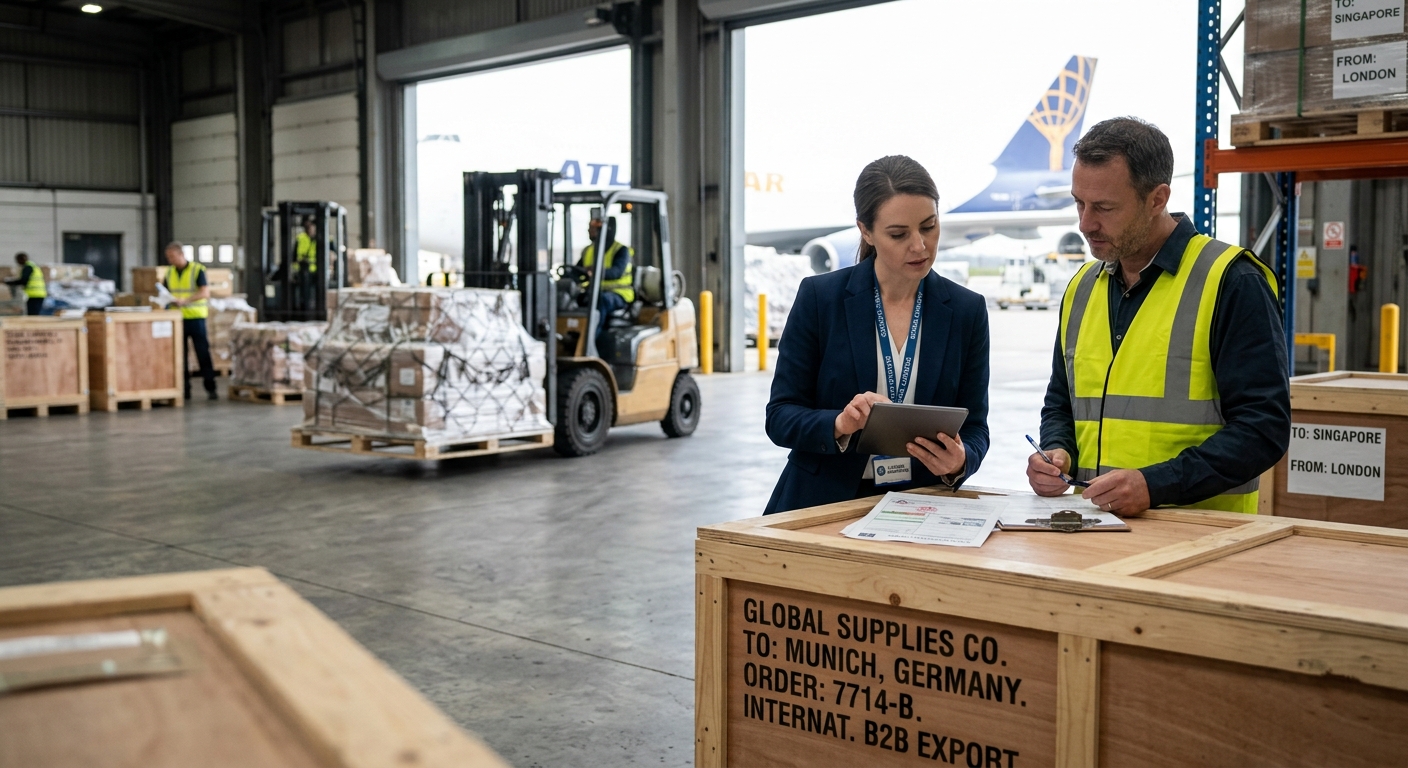
Entering the global market through international B2B (business-to-business) exporting can dramatically scale your operations and revenue. However, the complexities of cross-border trade require a systematic approach to mitigate risks and ensure profitability. This comprehensive guide outlines the step by step international B2B export process, equipping your enterprise with the knowledge needed to succeed on the global stage.
Step 1: Conduct Comprehensive Market Research
Before initiating any international trade, it is crucial to identify which markets hold the most potential for your products. Market research involves analyzing foreign demand, economic stability, cultural nuances, and competitive landscapes. Look for countries with favorable trade agreements with your home nation to reduce tariff burdens.
You must also evaluate product viability. Will your product require modifications to meet local regulations or consumer preferences? Addressing these questions early prevents costly mistakes down the line and helps you allocate resources to the most promising regions.
Step 2: Understand International Commercial Terms (Incoterms)
Clear communication regarding responsibilities, risks, and costs is vital in B2B exports. This is achieved through Incoterms. Choosing the right Incoterm dictates who pays for freight, who handles insurance, and where the risk transfers from seller to buyer. To deepen your understanding of these vital rules, we recommend reading Basic Incoterms for B2B Trade: A Comprehensive Guide.
Below is a comparison of two highly common maritime Incoterms used in international B2B exports: Free On Board (FOB) and Cost, Insurance, and Freight (CIF). For a localized example of how these terms impact trade, check out FOB vs CIF Jakarta: A Comprehensive Guide to Shipping Terms in Indonesia.
| Incoterm | Freight Costs Paid By | Insurance Handled By | Risk Transfer Point |
|---|---|---|---|
| FOB (Free On Board) | Buyer | Buyer | Once goods are loaded onto the vessel |
| CIF (Cost, Insurance, and Freight) | Seller | Seller | Once goods arrive at destination port |
Step 3: Calculate Costs and Establish Pricing Strategy
Pricing your export products correctly is a delicate balance. You must remain competitive while accounting for all export-related expenses. These expenses include manufacturing, packaging, domestic logistics, international freight, insurance, and potential tariffs. It is highly important to understand the total cost burden to maintain your profit margins. If you are also managing imports for raw materials, understanding these costs is just as critical; you can learn more by reading How to Calculate Landed Cost for Imports: A Comprehensive Guide.
- Direct Costs: Production, packaging, and labeling.
- Indirect Costs: Marketing, administrative overhead, and travel for client meetings.
- Logistics Costs: Freight forwarder fees, customs duties, and warehouse storage.
Step 4: Ensure Legal Compliance and Prepare Documentation
International trade is heavily regulated. Exporters must comply with domestic export controls and the destination country's import regulations. Missing or incorrect documentation is the leading cause of delays at customs.
Essential export documents typically include:
- Commercial Invoice: The primary document detailing the transaction, value, and description of goods.
- Packing List: A breakdown of how goods are packed, including weights and dimensions.
- Certificate of Origin: Proves where the goods were manufactured, often required for tariff exemptions.
- Bill of Lading: The receipt issued by the carrier and a contract for the transportation of the goods.
Step 5: Arrange Logistics and Shipping
Choosing the right logistics partner is paramount. Freight forwarders act as intermediaries between your business and transportation services. They possess the expertise to navigate complex shipping routes, negotiate freight rates, and handle customs clearance.
When planning logistics, consider the nature of your product. Perishable goods require expedited air freight and cold-chain logistics, while bulky, non-urgent commodities are more cost-effectively shipped via ocean freight. Ensure your packaging is robust enough to withstand long transit times and varying environmental conditions.
Step 6: Secure Reliable Payment Methods
International B2B transactions carry a higher risk of non-payment compared to domestic sales. Establishing secure payment terms protects your cash flow. Common international payment methods include:
- Cash in Advance: The most secure for the exporter, but least favorable for the buyer.
- Letters of Credit (LC): A commitment by a bank on behalf of the buyer that payment will be made once shipping terms are met. This offers high security for both parties.
- Documentary Collections: Banks act as intermediaries to facilitate the transaction, though they do not guarantee payment like an LC.
- Open Account: The goods are shipped and delivered before payment is due. High risk for the exporter, typically reserved for long-standing, trusted partners.
Conclusion
Embarking on a step by step international B2B export journey requires meticulous planning, an understanding of global trade regulations, and strategic partnerships. By thoroughly researching markets, utilizing appropriate Incoterms, managing logistics efficiently, and securing payments, your business can successfully navigate the complexities of global trade. With diligence and a proactive approach, exporting can become a highly lucrative pillar of your business growth.
Frequently Asked Questions
What is the most secure payment method for new international B2B clients?
A Letter of Credit (LC) is widely considered the most secure payment method for new international clients. It guarantees payment from the buyer's bank, provided you meet all the specified shipping and documentation requirements.
Do I need a freight forwarder to export goods?
While not legally required, hiring a freight forwarder is highly recommended. They manage the complex logistics, coordinate with carriers, and handle customs documentation, which saves time and significantly reduces the risk of shipping errors.
How do I know if my product requires special export licenses?
You must check with your country's export control authority (such as the Bureau of Industry and Security in the US). Products involving advanced technology, military applications, or those being shipped to embargoed countries usually require specific export licenses.
Comments
Post a Comment