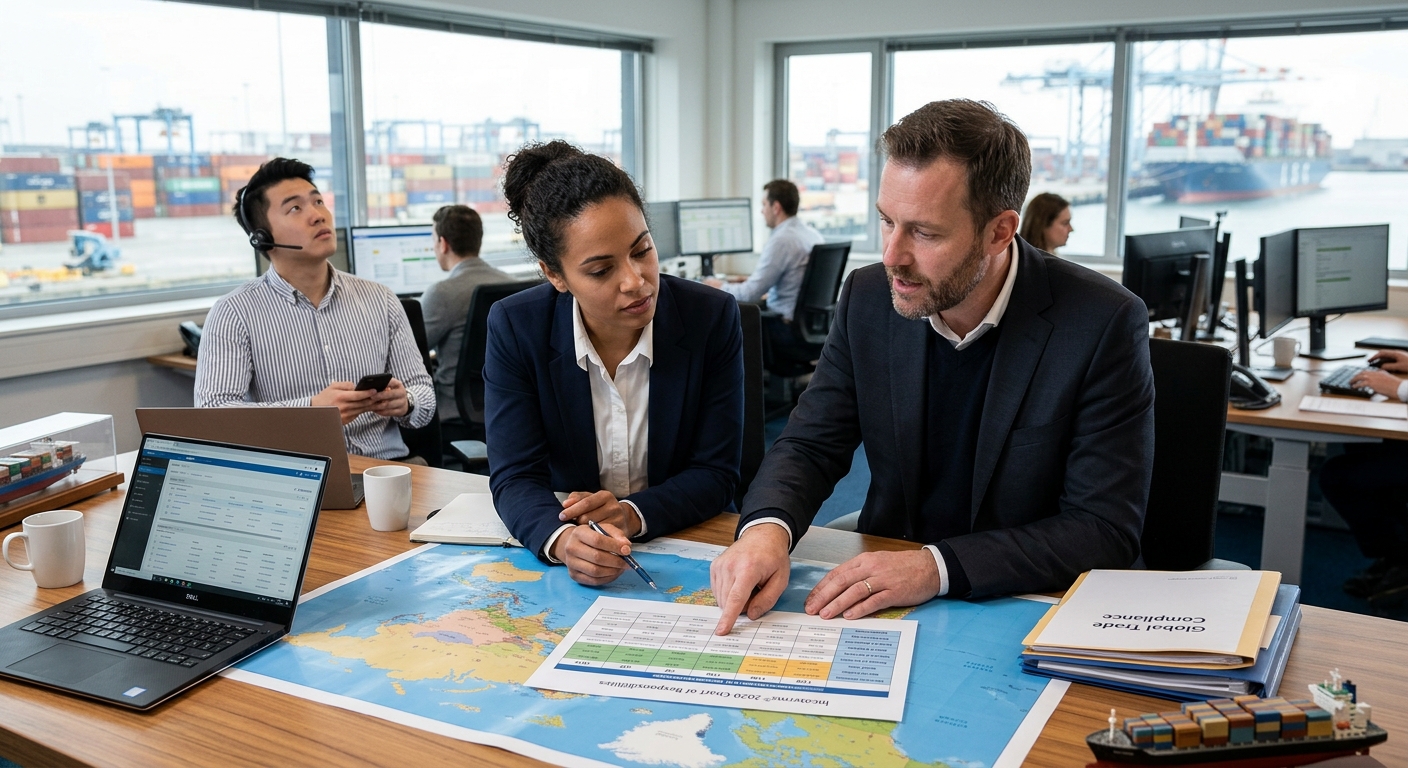
Introduction to Basic Incoterms for B2B Trade
In the complex world of international business, clear communication and predefined responsibilities are paramount. Basic Incoterms (International Commercial Terms) serve as the universal language for buyers and sellers, outlining exactly who is responsible for the shipping, insurance, and tariffs on an item at any given point in the journey. Understanding these terms is crucial for anyone involved in global commerce, ensuring that trade runs smoothly and disputes are minimized.
What Are Incoterms?
Incoterms are a set of rules published by the International Chamber of Commerce (ICC) that define the responsibilities of sellers and buyers for the delivery of goods under sales contracts. They specify who handles customs clearance, who pays for transport, and where the risk transfers from the seller to the buyer. Whether you are reading A Complete Guide to Sourcing Products from Overseas Manufacturers or simply trying to import goods for the first time, a solid grasp of Incoterms is essential for protecting your bottom line.
Commonly Used Incoterms in B2B Trade
While there are 11 Incoterms in the latest 2020 revision, a few are particularly prevalent in standard B2B transactions. Understanding these core terms will cover the vast majority of your international shipping needs.
EXW (Ex Works)
Under EXW, the seller makes the goods available at their premises or another named place (works, factory, warehouse, etc.). The buyer incurs the risks for bringing the goods to their final destination. This term places the maximum obligation on the buyer and minimum obligations on the seller.
FOB (Free On Board)
FOB means the seller delivers the goods on board the vessel nominated by the buyer at the named port of shipment. The risk of loss of or damage to the goods passes when the goods are on board the vessel, and the buyer bears all costs from that moment onwards. This is highly common in sea freight and is often referenced when researching The Comprehensive Guide to Finding Reliable Overseas B2B Suppliers.
CIF (Cost, Insurance, and Freight)
Under CIF, the seller delivers the goods on board the vessel or procures the goods already so delivered. The risk of loss or damage passes when the goods are on board the vessel. The seller must contract for and pay the costs and freight necessary to bring the goods to the named port of destination, as well as marine insurance against the buyer's risk of loss.
DDP (Delivered Duty Paid)
DDP represents the maximum obligation for the seller. The seller is responsible for delivering the goods to the named place in the country of the buyer, and pays all costs in bringing the goods to the destination including import duties and taxes. This is often preferred by buyers who want a hassle-free import process.
Below is a quick comparison of these four common Incoterms to help you understand the transfer of risk and cost responsibilities.
| Incoterm | Freight Cost Paid By | Insurance Paid By | Risk Transfers At |
|---|---|---|---|
| EXW (Ex Works) | Buyer | Buyer | Seller's Premises |
| FOB (Free On Board) | Buyer (Main Carriage) | Buyer | Origin Port (On Vessel) |
| CIF (Cost, Insurance, Freight) | Seller | Seller | Origin Port (On Vessel) |
| DDP (Delivered Duty Paid) | Seller | Seller | Buyer's Premises |
Choosing the Right Incoterm for Your Business
Selecting the appropriate Incoterm depends heavily on your company's logistics capabilities and risk tolerance. If you have a robust freight forwarding partner, EXW or FOB might offer you more control over shipping costs. Conversely, if you prefer a hands-off approach, DDP might be worth the premium. For instance, if you are looking at The Ultimate Guide to Finding a Shisha Charcoal Briquette Manufacturer in Indonesia, knowing whether the supplier prefers FOB Jakarta or CIF Rotterdam will significantly impact your final landed cost calculations.
Conclusion
Mastering basic Incoterms for B2B trade is a fundamental requirement for successful international commerce. By clearly defining the roles, risks, and responsibilities between buyers and sellers, these standardized terms prevent costly misunderstandings and ensure smoother supply chains. Take the time to evaluate which terms align best with your operational strengths and overall business strategy.
Frequently Asked Questions
What happens if we do not specify an Incoterm in our contract?
If an Incoterm is not specified, you risk severe disputes regarding who is responsible for freight charges, insurance, and customs duties. The default laws of the jurisdictions involved will apply, which can be unpredictable and costly.
Do Incoterms determine ownership of the goods?
No, Incoterms do not dictate the transfer of ownership (title) of the goods. They only deal with the delivery of the goods, transfer of risk, and allocation of costs. Ownership transfer should be explicitly defined in your sales contract.
Are Incoterms legally binding?
Incoterms are not laws themselves, but they become legally binding when they are explicitly incorporated into a commercial contract between the buyer and the seller.
Can Incoterms be used for domestic trade?
Yes, while they are primarily designed for international trade, Incoterms can also be utilized for domestic transactions to clarify delivery responsibilities and risk transfer.
Comments
Post a Comment