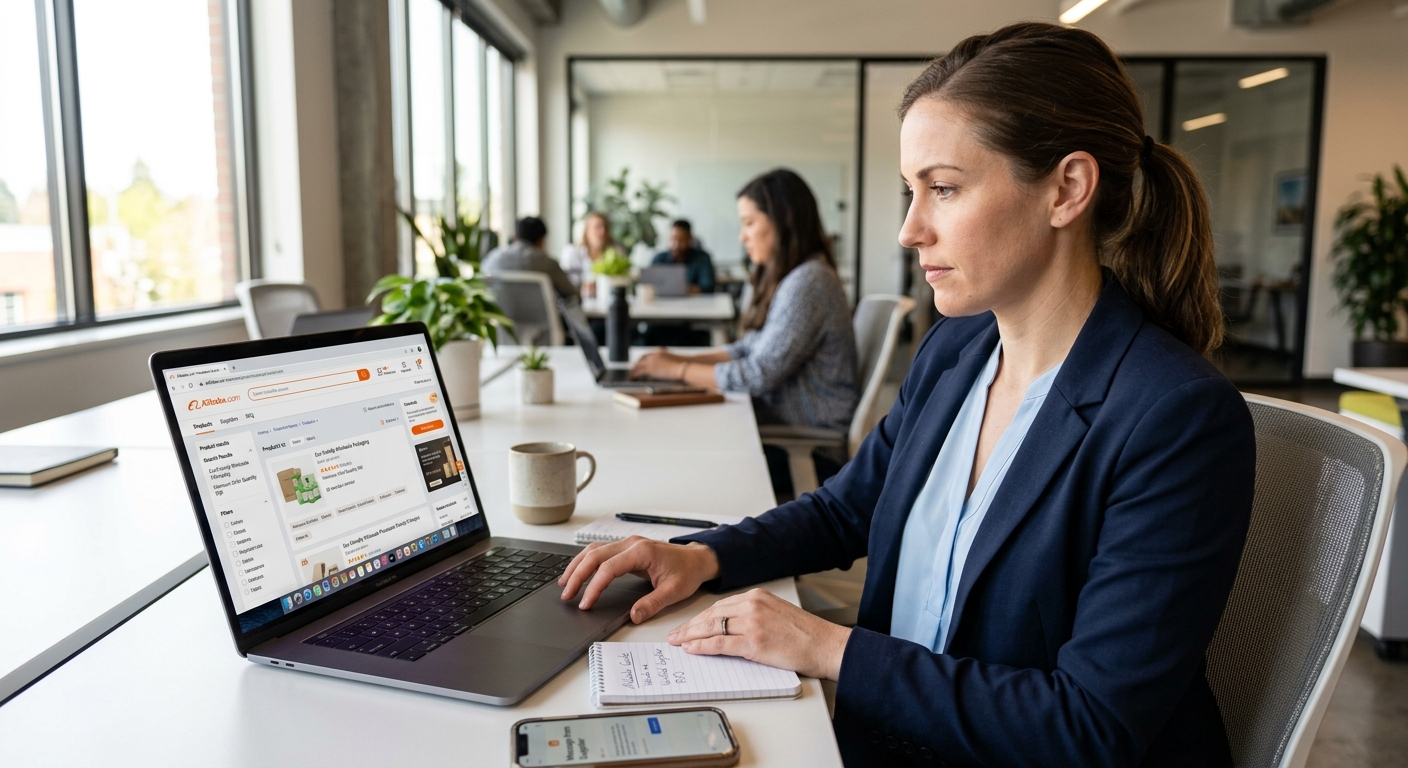
In the vast landscape of global e-commerce, Alibaba stands out as a titan, particularly in the business-to-business (B2B) sector. For entrepreneurs, retailers, and wholesalers looking to source products at competitive prices, understanding how to effectively navigate this platform is crucial. This comprehensive guide will walk you through the essential steps and best practices on how to use Alibaba for B2B transactions safely and profitably.
Understanding the Alibaba Platform
Alibaba is primarily a directory that connects global buyers with manufacturers, trading companies, and wholesalers, predominantly located in China and other Asian countries. Unlike business-to-consumer (B2C) platforms like Amazon or AliExpress, Alibaba is designed for bulk purchasing. This means transactions often involve negotiation, customization, and complex shipping arrangements. To succeed, buyers must approach the platform with a strategic mindset and a clear understanding of international trade mechanisms.
Setting Up Your Account and Profile
The first step in using Alibaba is creating a robust buyer profile. Suppliers on Alibaba are looking for serious business partners. By filling out your company details comprehensively, including your business type, website, and sourcing needs, you establish credibility. A professional profile increases the likelihood of suppliers responding promptly and offering their best prices. Once registered, familiarize yourself with the dashboard, search functions, and the Message Center, which will be your primary hub for supplier communication.
Finding Reliable Suppliers
Finding a trustworthy supplier is arguably the most critical step in the B2B sourcing process. Alibaba provides several tools to help buyers filter and verify potential partners.
Types of Suppliers
- Manufacturers: These companies produce the goods themselves. They usually offer the lowest prices but have higher Minimum Order Quantities (MOQs).
- Trading Companies: These act as intermediaries, sourcing products from various factories. They often have lower MOQs and offer a wider variety of products, but their prices may be slightly higher.
Verification Badges
When searching for products, always look for suppliers with specific verification badges:
- Gold Supplier: A premium membership level indicating the supplier pays a fee to Alibaba. While it doesn't guarantee quality, it shows a level of commitment.
- Verified Supplier: An independent third party has assessed the company's capabilities, quality control systems, and facilities.
- Trade Assurance: This is Alibaba's built-in protection program that secures your payments, ensures product quality, and guarantees on-time shipping.
Communicating and Negotiating
Once you have shortlisted potential suppliers, the next step is reaching out. Your initial message, often called a Request for Quotation (RFQ), should be clear, concise, and professional. State exactly what you are looking for, including specifications, quantities, and your destination country. Ask specific questions about their production capacity, lead times, and quality control processes.
Negotiation is standard practice on Alibaba. Be respectful but firm. Don't just focus on the unit price; consider other factors like shipping terms, payment methods, and product customization. If you are serious about building a long-term relationship, finding an authoritative B2B resource can help you stay updated on market trends and negotiation tactics.
Understanding Shipping and Logistics
International shipping can be complex, and understanding who is responsible for costs and risks at each stage is vital. This is where Incoterms come into play. Familiarize yourself with common terms like FOB (Free On Board) and EXW (Ex Works). For a deeper dive into these crucial concepts, read Basic Incoterms for B2B Trade: A Comprehensive Guide. Knowing these terms will help you calculate accurate landed costs and avoid unexpected fees.
Here is a comparison of the two most common shipping terms used on Alibaba to help you understand your responsibilities:
| Incoterm | Buyer Responsibility | Seller Responsibility | Risk Transfer Point |
|---|---|---|---|
| EXW (Ex Works) | Arranging all transport from factory to final destination, customs clearance | Making goods available at their factory/warehouse | At the seller's factory/warehouse |
| FOB (Free On Board) | Sea freight, insurance, import customs, final delivery | Transport to origin port, export customs clearance, loading onto vessel | Once goods are loaded onto the origin vessel |
Managing Payments Securely
Safety should be your top priority when transferring large sums of money internationally. Always use secure payment methods, preferably those covered by Alibaba's Trade Assurance. Common payment methods include Bank Transfers (T/T), Credit Cards, and PayPal (for smaller sample orders).
For very large transactions, you might consider more formal financial instruments. To understand how these work, you can review The Complete Guide to Letters of Credit in International Trade. While less common for initial or smaller orders, they provide robust security for massive wholesale deals.
Ordering Samples Before Bulk Production
Never place a large bulk order without first seeing and testing a sample. Samples allow you to verify the product's quality, functionality, and the supplier's attention to detail. Expect to pay a premium for the sample and shipping, but consider it a necessary investment to prevent costly mistakes later. Once you approve the sample, use it as the benchmark for your bulk order.
Conclusion
Using Alibaba for B2B sourcing can unlock incredible opportunities for your business, offering access to a global manufacturing base at competitive prices. By taking the time to verify suppliers, clearly communicating your needs, understanding shipping terms, and using secure payment methods like Trade Assurance, you can mitigate risks and build profitable, long-term partnerships. Treat every transaction with diligence, and Alibaba will become an invaluable tool in your supply chain strategy.
Frequently Asked Questions (FAQ)
Is it safe to buy in bulk on Alibaba?
Yes, it is generally safe if you take the right precautions. Always work with Verified Suppliers, order samples first, and ensure your transactions are protected by Alibaba's Trade Assurance program.
What is Trade Assurance on Alibaba?
Trade Assurance is a free service provided by Alibaba designed to create trust between buyers and suppliers. It offers protection in the event of shipping delays or if the product quality does not meet the agreed-upon standards.
How can I lower the Minimum Order Quantity (MOQ)?
MOQs are often negotiable. You can ask the supplier if they have the item in stock, which usually lowers the MOQ, or offer to pay a slightly higher unit price for a smaller initial quantity to test the market.
Do I need an import license to buy from Alibaba?
In most western countries, you do not need a specific import license for general goods. However, certain regulated products (like food, medical devices, or chemicals) may require permits. Always check your local customs regulations before ordering.
Comments
Post a Comment