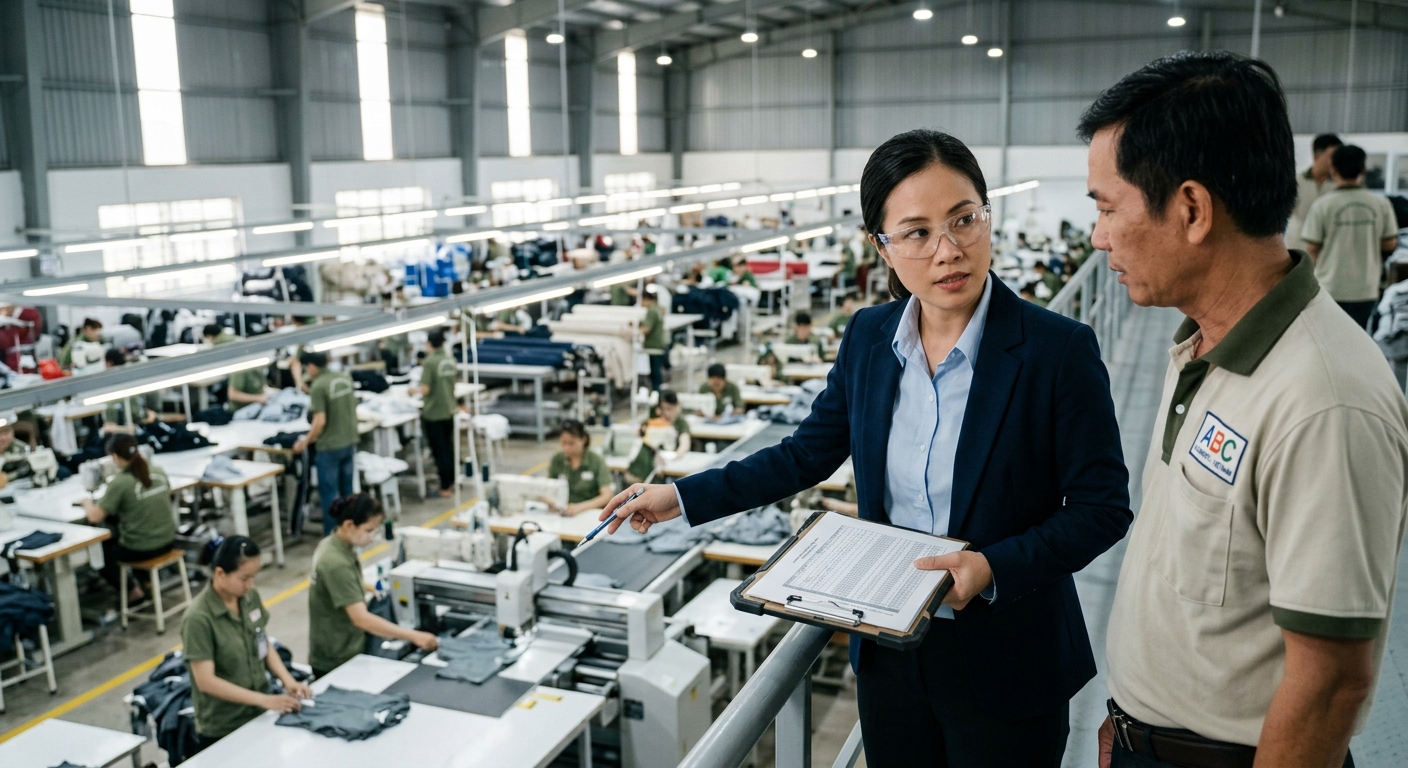
Introduction to Evaluating Factory Production Capacity
When sourcing products internationally, one of the most critical steps is evaluating overseas factory production capacity. It is not enough for a factory to simply produce high-quality goods; they must also have the capacity to meet your volume requirements, deadlines, and potential future growth. Misjudging a supplier's capabilities can lead to backorders, missed deadlines, and damaged relationships with your own customers. In this guide, we will explore the essential strategies and metrics for accurately assessing a factory's true output capabilities.
Understanding Production Capacity
Production capacity refers to the maximum output a factory can achieve within a specific timeframe, under normal working conditions. It involves a combination of machinery, labor, raw material availability, and efficient management processes. To truly understand a factory's capacity, you must look beyond their sales pitch and dig into the operational data.
Key Factors Influencing Capacity
- Machinery and Equipment: The age, condition, and technological advancement of the factory's machines play a massive role in their output speed and defect rates.
- Labor Force: The number of skilled workers, shift patterns, and employee turnover rates significantly impact consistent production.
- Supply Chain and Raw Materials: A factory is only as fast as its slowest material supplier. Assess their inventory management and relationships with sub-suppliers.
- Quality Control Processes: Rigorous quality control can slow down production in the short term but prevents major bottlenecks caused by rework and high defect rates.
Steps to Assess Overseas Factory Capacity
Evaluating an overseas partner requires a systematic approach. Here are the necessary steps to ensure you are making an informed decision.
1. Conduct a Factory Audit
Before placing a large order, it is imperative to conduct a physical or third-party factory audit. This audit should evaluate the factory's floor space, assembly lines, warehouse capacity, and overall organization. An organized factory floor is often indicative of efficient production processes.
2. Analyze Production Planning and Scheduling
Ask the factory how they handle production planning. Do they use advanced ERP (Enterprise Resource Planning) software? Understanding their scheduling methods will give you insight into how they prioritize orders and manage peak seasons.
3. Review Historical Performance Data
Request data on their past performance, including on-time delivery rates, average lead times, and capacity utilization rates over the last year. A factory running at 100% capacity constantly may struggle to accommodate sudden increases in your order volume.
When you are ready to start communicating your needs and gathering pricing, understanding the correct terminology and processes is vital. For instance, knowing Basic Incoterms for B2B Trade: A Comprehensive Guide will help you clarify shipping responsibilities, which directly affects delivery timelines. Furthermore, structuring your inquiries correctly is essential; read How to Request Quotes from Factories: A Comprehensive Guide to ensure you are getting accurate capacity estimations along with pricing.
Comparing Evaluation Methods
Below is a comparison of common methods used to evaluate factory capacity, highlighting the differences in cost, time investment, and data accuracy.
| Evaluation Method | Cost | Time Investment | Data Accuracy |
|---|---|---|---|
| Self-Assessment Questionnaires | Low | Low | Moderate |
| Third-Party Audits | High | Moderate | High |
| On-Site Visit (In-person) | High | High | Very High |
| Trial Production Run | Moderate | Moderate | Very High |
Mitigating Risks in Overseas Manufacturing
Even with thorough evaluation, risks remain when dealing with overseas factories. To protect your supply chain, consider diversifying your manufacturing base. Relying on a single factory for 100% of your product can be disastrous if they experience equipment failure or labor strikes. Always maintain a backup supplier who has also been vetted for capacity.
Additionally, keeping up with global trade news and industry trends can help you anticipate supply chain disruptions. Resources like global B2B platforms offer valuable insights into international market shifts that might affect factory output.
Conclusion
Evaluating overseas factory production capacity is a multi-faceted process that requires diligence, data analysis, and clear communication. By thoroughly assessing a supplier's machinery, labor force, and management systems, you can mitigate risks and build a resilient supply chain. Remember that a factory's capacity is not static; regular evaluations and open communication are key to maintaining a successful long-term partnership.
Frequently Asked Questions
What is the difference between design capacity and effective capacity?
Design capacity is the theoretical maximum output of a system under ideal conditions. Effective capacity is the realistic output a factory expects to achieve given normal operating constraints, such as maintenance, shift changes, and product mix.
Why is capacity utilization rate important?
The capacity utilization rate shows how much of the factory's potential output is actually being used. A rate that is too high (e.g., 95%+) suggests the factory has little room to handle unexpected delays or spikes in your order volume.
How can language barriers affect capacity evaluation?
Language barriers can lead to misunderstandings regarding technical specifications, lead times, and volume requirements. It is often beneficial to hire a local sourcing agent or translator during the evaluation process to ensure all technical details are accurately communicated.
Comments
Post a Comment