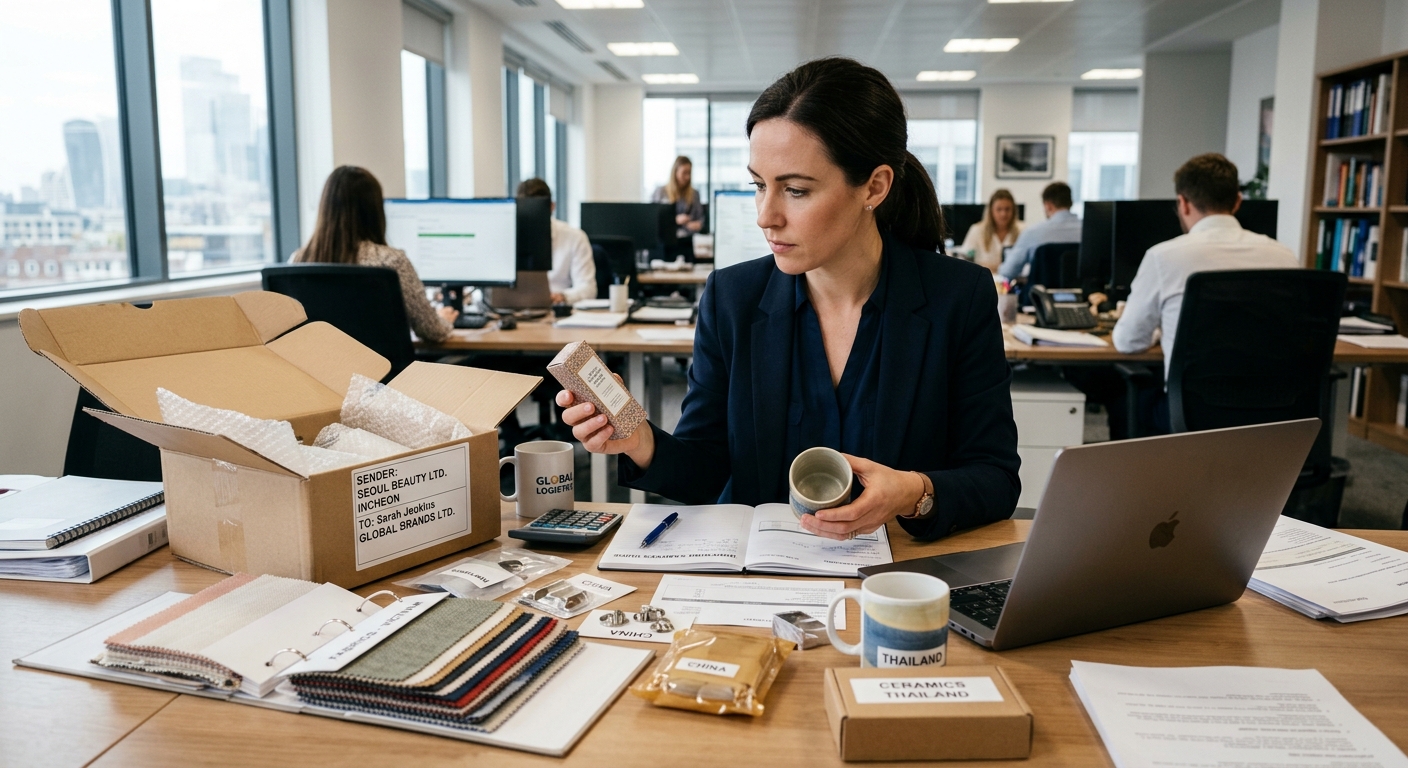
Introduction to Ordering Product Samples Internationally
Ordering product samples from international suppliers is a critical step in the global sourcing process. Before committing to a large production run, verifying the quality, materials, and functionality of a product is essential. This step mitigates risks, prevents costly mistakes, and establishes a foundation of trust between you and your supplier.
Many businesses rush this process, only to receive a final shipment that does not meet their specifications. A systematic approach to requesting and evaluating samples can save your business time, money, and reputation.
Why Ordering Samples is Non-Negotiable
When dealing with overseas manufacturers, communication barriers and differing quality standards can lead to discrepancies between what you expect and what is produced. By ordering a sample, you physically inspect the product to ensure it aligns with your brand's standards.
Furthermore, the sampling process is an excellent test of the supplier's reliability, responsiveness, and attention to detail. If a supplier struggles to produce a high-quality sample or communicates poorly during this phase, it is a strong indicator of how they will handle a bulk order. For a deeper understanding of vetting partners, you should read about Finding Reliable International B2B Suppliers: A Comprehensive Guide.
Types of Product Samples
Understanding the different types of samples will help you communicate exactly what you need at various stages of product development.
- Factory Samples: Existing products the factory already makes, used to assess general manufacturing capabilities and quality.
- Custom Prototypes: A sample made specifically to your design specifications. This often requires paying a sample fee and tooling costs.
- Pre-Production Samples (PPS): The final sample made before mass production begins, confirming all materials, colors, and features.
- Production Samples: Samples pulled randomly from the actual production line to verify consistency.
Steps to Requesting a Sample
Requesting a sample requires clear, detailed communication. Vague requests lead to inaccurate samples.
1. Define Your Specifications
Before contacting a supplier, create a comprehensive specification sheet (spec sheet). This should include exact dimensions, materials, Pantone colors, labeling requirements, and packaging details. The more precise you are, the less room there is for error.
2. Clarify Costs and Shipping
Suppliers typically charge for custom samples to cover their time and material costs. Be prepared to pay for both the sample and the international shipping (usually via express air freight like DHL, FedEx, or UPS). Negotiate whether the sample cost will be deducted from your first bulk order.
3. Handle Payments Securely
Paying for samples across borders involves foreign exchange rates and transaction fees. Using secure and efficient payment methods is vital. To explore your options, refer to A Complete Guide to Cross Border B2B Payment Methods.
Evaluating the Received Sample
Once the sample arrives, conduct a thorough inspection. Do not just look at it; test it rigorously under the conditions in which it will be used. Compare it directly against your initial spec sheet. Check for durability, finish, material quality, and packaging.
If the sample requires modifications, provide clear, visual feedback to the supplier. Use photos and videos to point out exactly what needs to be changed before requesting a revised sample.
Comparing Shipping Options for Samples
Below is a comparison of common express shipping couriers used for sending samples from Asia to North America or Europe.
| Courier Service | Average Transit Time | Cost Level | Tracking Reliability |
|---|---|---|---|
| DHL Express | 3-5 Days | High | Excellent |
| FedEx International Priority | 3-6 Days | High | Excellent |
| UPS Worldwide Express | 3-5 Days | High | Excellent |
| EMS (Postal Express) | 7-15 Days | Medium | Moderate |
Case Study: Sourcing Specialty Goods
Sourcing agricultural or specialty products requires a slightly different approach to sampling, as you are evaluating natural variances rather than manufactured consistency. For example, if you are looking into the beverage industry, understanding the intricacies of the supply chain is crucial. You can learn more about this by reading The Complete Guide on How to Import Coffee from Indonesia, which highlights how agricultural samples must be evaluated for flavor profiles and moisture content.
Conclusion
Ordering product samples from international suppliers is an indispensable part of global sourcing. It protects your investment and ensures that your end customers receive a product that meets their expectations. By clearly defining your specifications, communicating effectively, managing payments securely, and rigorously testing the prototypes, you set the stage for a successful manufacturing partnership and a profitable product launch.
Frequently Asked Questions
Why do suppliers charge so much for custom samples?
Suppliers charge higher fees for custom samples because setting up machinery, sourcing small quantities of specific materials, and interrupting regular production lines is expensive and time-consuming for them.
Can I get the sample fee refunded?
Yes, many suppliers are willing to deduct the cost of the sample from your first bulk order. This should be negotiated and agreed upon in writing before paying for the sample.
How long does it take to receive a product sample?
For an off-the-shelf factory sample, it may only take 5-7 days for shipping. For a custom prototype, it can take 2-4 weeks for production, plus an additional week for express shipping.
What should I do if the sample is terrible?
If the sample completely fails to meet your clearly stated specifications, it is often a sign to find a new supplier. If the errors are minor and the supplier shows a willingness to correct them, you can request a second, revised sample.
Comments
Post a Comment