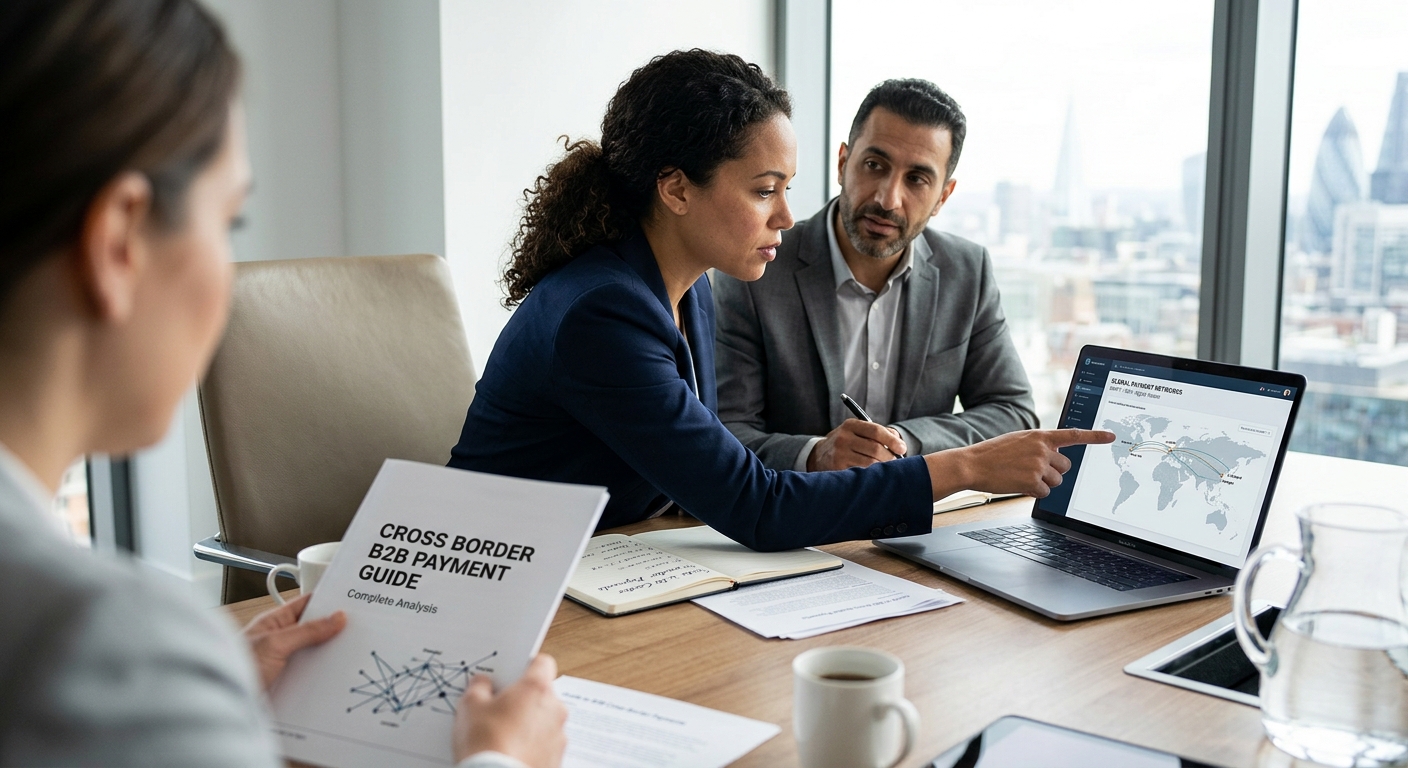
Understanding Cross Border B2B Payment Methods
In today's interconnected global economy, cross border B2B payment methods play a pivotal role in maintaining the flow of international trade. Whether you are importing raw materials, paying remote contractors, or managing international supply chains, choosing the right payment solution is critical. The efficiency, cost, and security of these transactions can significantly impact a company's bottom line. For businesses exploring global opportunities, reading The Ultimate Guide on How to Start International B2B Trade is an excellent starting point to understand the broader context of these financial operations.
Traditional vs. Modern Payment Solutions
For decades, traditional banks have dominated the cross-border payment landscape through SWIFT transfers and letters of credit. While highly secure and universally accepted, these methods often suffer from high fees, unpredictable exchange rates, and slow processing times. On the other hand, modern fintech solutions have emerged to address these pain points, offering faster, more transparent, and cost-effective alternatives. Digital wallets, virtual bank accounts, and blockchain-based payments are rapidly gaining traction among B2B organizations.
When selecting a B2B platform to facilitate international trade, payment integration is a crucial factor. Platforms that offer built-in, secure payment gateways can streamline operations. You can explore some of the top options in The Best B2B Platforms for Global Trade: A Comprehensive Guide. Understanding how these platforms handle cross-border payments will help you make an informed decision for your business.
Key Factors to Consider
When evaluating different cross border B2B payment methods, businesses must consider several vital factors. Cost is often the primary concern, as hidden fees and poor exchange rates can erode profit margins. Speed is another critical element; delayed payments can strain supplier relationships and disrupt supply chains. Security and compliance are non-negotiable, given the strict anti-money laundering (AML) and know your customer (KYC) regulations governing international finance. Finally, integration capabilities with existing ERP and accounting systems can save significant time and reduce manual errors.
Below is a comparison of some of the most common cross-border B2B payment methods, evaluating them based on typical transaction speed, average cost percentage, and ideal use case.
| Payment Method | Transaction Speed | Average Cost | Ideal Use Case |
|---|---|---|---|
| SWIFT Wire Transfer | 2-5 Business Days | High ($15-$50 + FX markup) | Large value corporate transactions |
| Digital Payment Platforms (e.g., Payoneer, Wise) | 1-2 Business Days | Low (0.5% - 2%) | Freelancers and mid-size supplier payments |
| Commercial Credit Cards | Instant Approval (Settlement 2-3 Days) | Medium (2% - 3%) | Immediate purchases and SaaS subscriptions |
| Blockchain/Cryptocurrency | Minutes to Hours | Very Low (Network fee dependent) | Tech-forward businesses seeking instant settlement |
Industry-Specific Payment Challenges
Different industries face unique challenges when managing cross-border payments. For example, the manufacturing sector often deals with massive transaction volumes and requires strict milestone-based payment structures. If you are operating in specialized manufacturing, such as the cosmetics industry in Southeast Asia, managing payments efficiently is crucial for supply chain stability. For insights into this specific sector, you can read The Complete Guide to OEM Cosmetic Manufacturers in Indonesia (Maklon), which highlights the complexities of international sourcing and vendor management.
Conclusion
Choosing the right cross border B2B payment methods is a strategic decision that requires a thorough understanding of your business's unique needs, volume, and geographic reach. While traditional bank transfers remain a staple for large-scale corporate transactions, fintech innovations provide compelling alternatives that offer speed, transparency, and cost savings. By carefully evaluating the options and prioritizing security, integration, and efficiency, businesses can optimize their global financial operations and foster stronger international partnerships.
Frequently Asked Questions
What is the most secure method for cross-border B2B payments?
SWIFT wire transfers and Letters of Credit are traditionally considered the most secure due to stringent banking regulations and established global protocols. However, reputable digital payment platforms also offer robust security, including bank-level encryption and strict regulatory compliance.
How can businesses reduce foreign exchange (FX) fees?
Businesses can reduce FX fees by using specialized multi-currency accounts or modern fintech platforms that offer mid-market exchange rates with transparent, low-margin markups, rather than relying on traditional banks which often embed high margins in their FX rates.
Are blockchain payments viable for B2B transactions?
Yes, blockchain payments are becoming increasingly viable for B2B transactions. They offer near-instant settlement times and low transaction fees, particularly for stablecoins. However, regulatory uncertainty and adoption rates among traditional suppliers remain challenges to widespread implementation.
Comments
Post a Comment