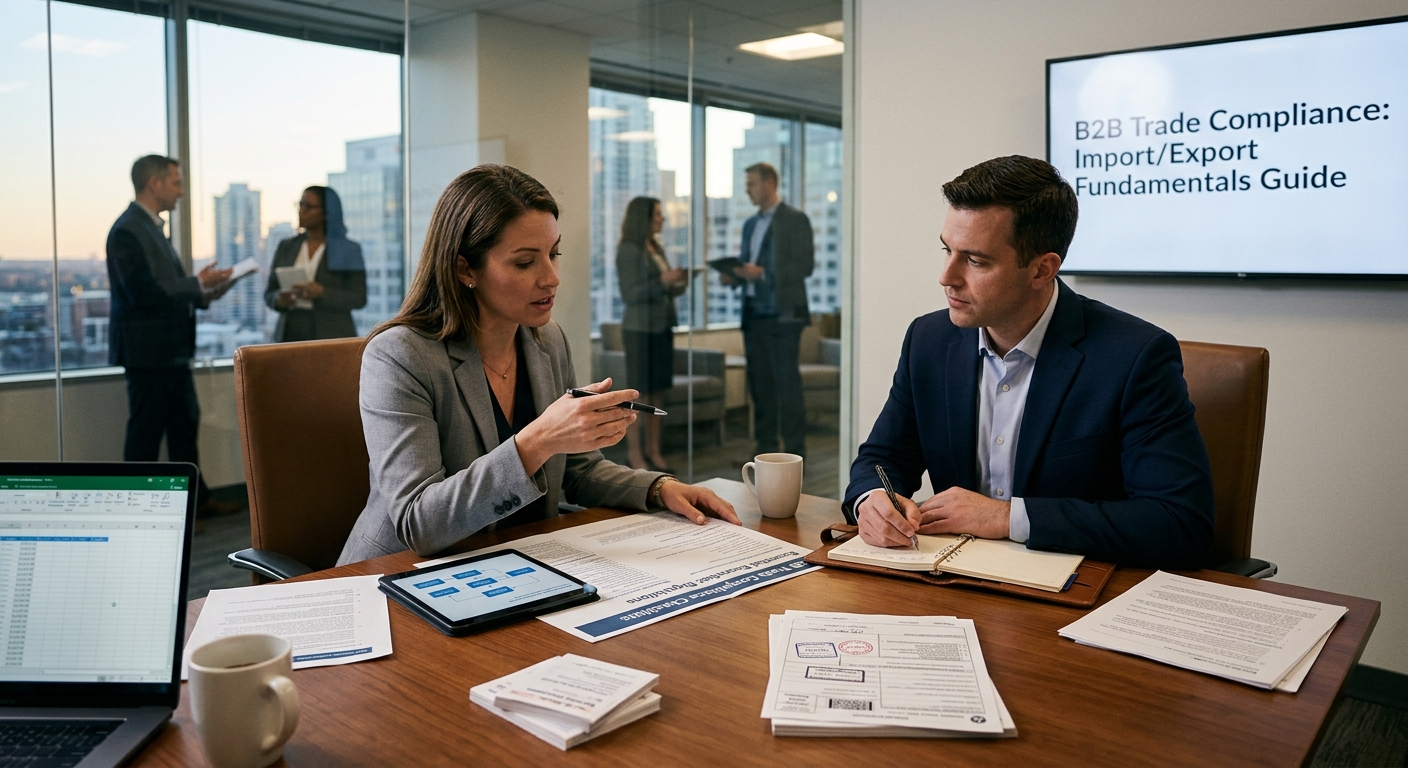
Introduction to B2B Trade Compliance
In today's highly interconnected global economy, engaging in international business offers tremendous opportunities for growth and expansion. However, crossing international borders brings a complex web of laws, regulations, and tariffs that must be meticulously navigated. This is where B2B trade compliance comes into play. For beginners, understanding trade compliance is the foundational step toward establishing a successful and legally sound international trading operation.
Trade compliance refers to the process by which goods enter and exit a country in adherence to all applicable laws and regulations. It encompasses export controls, import regulations, tariff classifications, customs valuations, and trade agreements. A solid grasp of these concepts is essential, especially when referring to comprehensive resources like The Ultimate Guide: How to Start B2B Export for Your Business, which highlights the initial steps to global market entry.
Why Trade Compliance Matters
Failing to comply with international trade regulations can result in severe consequences for a business. These consequences range from delayed shipments and confiscated goods to hefty financial penalties, loss of export privileges, and even criminal charges. Furthermore, non-compliance can severely damage a company's reputation, making it difficult to establish trust with international partners.
By prioritizing trade compliance, businesses ensure smooth supply chain operations, avoid unnecessary costs, and build a reliable brand image in the global market. Whether you are dealing with complex machinery or agricultural products, compliance is non-negotiable. For instance, if you are sourcing raw materials, consulting A Complete Guide to Choosing a Bulk Coconut Charcoal Supplier in Indonesia can provide insights into specific regional compliance and sourcing standards.
Key Elements of Trade Compliance
1. Product Classification
Every product traded internationally must be classified using the Harmonized System (HS) code. This standardized numerical method helps customs authorities worldwide identify products, determine applicable tariffs, and enforce relevant regulations. Accurate classification is crucial, as an incorrect HS code can lead to overpayment of duties or penalties for underpayment.
2. Customs Valuation
Customs valuation is the procedure used to determine the customs value of imported goods. This value is essential because it is the baseline upon which duties and taxes are calculated. The most common method of valuation is the transaction value, which is the price actually paid or payable for the goods. Misrepresenting the value of goods to reduce tariff burdens is a serious compliance violation.
3. Export Controls and Licensing
Governments restrict the export of certain goods, technologies, and services to protect national security, further foreign policy objectives, and prevent the proliferation of weapons of mass destruction. Businesses must determine if their products require specific export licenses before shipping. This often involves screening the destination country, the end-user, and the intended end-use of the product.
4. Restricted Party Screening
Also known as denied party screening, this process involves checking potential business partners, customers, and suppliers against government-issued watchlists. Engaging in business with individuals or organizations on these lists can lead to severe legal and financial repercussions. Automated screening tools are highly recommended for efficiency and accuracy.
Managing International Payments Compliantly
Financial transactions are a critical component of B2B trade. Ensuring that cross-border payments are secure, timely, and compliant with international banking regulations is vital. Anti-Money Laundering (AML) and Know Your Customer (KYC) regulations must be strictly adhered to when processing international invoices. To navigate this financial landscape effectively, reviewing A Complete Guide to International B2B Payment Methods is highly beneficial for understanding the compliant ways to transfer funds globally.
Creating a Compliance Program
For beginners, establishing an internal Trade Compliance Program (TCP) is a proactive way to mitigate risks. A robust TCP should include the following components:
- Management Commitment: Leadership must clearly communicate the importance of compliance throughout the organization.
- Written Policies and Procedures: Documented guidelines detailing how the company handles classifications, valuations, and screenings.
- Training: Regular training sessions for employees involved in supply chain, sales, and logistics.
- Recordkeeping: Maintaining accurate records of all international transactions for the legally required duration (typically 5 years).
- Auditing: Conducting periodic internal or external audits to identify and rectify compliance gaps.
Common Compliance Pitfalls to Avoid
| Pitfall | Description | Solution |
|---|---|---|
| Incorrect HS Codes | Misclassifying goods, leading to wrong duty payments. | Invest in compliance software or consult a licensed customs broker. |
| Inadequate Recordkeeping | Failing to maintain documentation for required periods. | Implement a secure, digital document management system. |
| Skipping Denied Party Screening | Trading with restricted entities unintentionally. | Automate screening processes against updated government lists. |
| Ignoring Free Trade Agreements | Missing out on duty savings by not utilizing FTAs properly. | Review origin rules and maintain proper certificates of origin. |
The Role of Technology in Compliance
As international trade regulations become more complex, manual compliance processes are no longer sufficient. Trade compliance software has become an indispensable tool for modern businesses. These systems can automate HS code classification, screen restricted parties in real-time, generate necessary export/import documentation, and calculate landed costs. Leveraging technology not only reduces the risk of human error but also streamlines supply chain operations, allowing businesses to focus on growth.
Conclusion
B2B trade compliance may seem daunting for beginners, but it is a critical framework that protects your business in the global arena. By understanding product classification, customs valuation, export controls, and the importance of restricted party screening, you can build a resilient international trading operation. Establishing a robust compliance program, investing in proper training, and utilizing modern trade management software will ensure your business navigates borders smoothly, avoids costly penalties, and builds a reputation as a reliable global partner.
Frequently Asked Questions
What is an HS code?
An HS (Harmonized System) code is an internationally standardized system of names and numbers used to classify traded products. It allows customs authorities to identify goods, apply correct tariffs, and collect trade statistics.
Do I always need an export license?
No, not all products require an export license. Most goods traded globally are classified as 'No License Required' (NLR). However, items related to defense, dual-use technologies, or specific chemicals will likely require authorization depending on the destination and end-user.
Why is denied party screening important?
Denied party screening is crucial because governments prohibit trade with certain individuals, organizations, and countries to protect national security and foreign policy. Violating these sanctions can result in massive fines and criminal prosecution.
How long should I keep international trade records?
While requirements vary by country, the general best practice in B2B trade compliance is to retain all export and import records, including invoices, customs declarations, and shipping documents, for a minimum of five years from the date of export or import.
Comments
Post a Comment